


Back
How Drug Withdrawal Is Managed in India: A Closer Look at Care and Recovery
17 Min Read
Table of contents
- Let's Talk Drug Withdrawal
- What is Drug Withdrawal Syndrome?
- Symptoms of Drug Withdrawal
- Managing Withdrawal in India
- Understanding the Body's Reaction to Withdrawal
- Neurobiology of Drug Withdrawal
- Why Professional Assessment Matters
- Effective Drug Withdrawal Treatment Options
- Managing Withdrawal: Finding the Right Support
- Challenges and Future of Drug Withdrawal Treatment
- Preventing Drug Relapse
- Caregivers Need Care Too
- Hope is Always Around
- Bibliography
- FAQs about Drug Addiction Withdrawal
Table of contents
Let's Talk Drug Withdrawal
Even in the hardest moments, strength hides in places most people never notice. Drug withdrawal can shake a person deeply, yet it also marks the first quiet sign of the body learning to breathe again. The fear is real, but with calm medical care, gentle therapy, and steady support, the storm becomes easier to face. Drug addiction affects students, professionals, and homemakers, often starting with teenage stress, curiosity, or pressure. When dependence takes hold, stopping the substance can spark drug withdrawal symptoms like anxiety, restlessness, and long nights without sleep. These moments feel heavy, but they're not permanent. Across India, people rise from this struggle every day. With detox, therapy, and family support, rehabilitation centres help individuals rebuild their lives slowly, bravely, step by step. These key questions help explain how withdrawal affects the body and mind: What is drug withdrawal syndrome? Why does withdrawal happen? What physical and emotional symptoms can occur? How can withdrawal be managed safely and effectively? When these questions are understood, confidence grows, and recovery becomes a guided process rather than a struggle. Let's understand what DrugWithdrawal means through this real-to-life story: Ravi, 29, worked in a demanding sales job in Mumbai. Long hours, constant targets, and the pressure to perform had slowly led him to rely on drugs to stay focused and energised. At first, it seemed harmless; just something to get through stressful days. But when he tried to stop, everything changed. His hands trembled, sleep vanished, and anxiety crept in like a constant shadow. He told himself it was just exhaustion. "A few days of rest will fix it," he thought. But the symptoms grew stronger. Restlessness, irritability, and sudden mood swings took over. His thoughts felt scattered, and his body refused to calm down. That's when he decided to seek professional help at a de-addiction centre. Doctors explained that he was experiencing drug withdrawal symptoms, where the body struggles to adjust to the absence of a substance it has grown used to. With substance abuse treatments, medical detox, therapy, and ongoing care, Ravi slowly regained control. The road was not easy, but it was possible. Each week brought small progress: better sleep, clearer thoughts, stronger relationships. Recovery, Ravi learned, wasn't about stopping overnight; it was about rebuilding life with patience, guidance, and the right support.
What is Drug Withdrawal Syndrome?
Drug withdrawal happens when the body and brain begin to adjust after a person stops or reduces a substance they have been using regularly, often after repeated or high-dose use. This phase is called a withdrawal state. According to the DSM-5, a withdrawal state is marked by a cluster of physical and psychological symptoms that appear when substance use is stopped or reduced. These symptoms happen because long-term drug use changes the brain's chemical balance, and the body needs time to regain stability. Common withdrawal symptoms may include: Anxiety, restlessness, and irritability Sweating and mood changes Sleep problems and fatigue Strong cravings for the substance Withdrawal symptoms are usually short-lasting, often lasting from a few hours to a few days. Many people report that their symptoms feel temporarily relieved if they use the substance again, which reinforces dependence. Clinically, withdrawal states are classified into: Uncomplicated withdrawal, with mild to moderate symptoms Withdrawal with convulsions, which may involve seizures Withdrawal with delirium, a severe and serious condition Although withdrawal can feel exhausting and confusing, it is a natural part of recovery. With proper medical supervision and emotional support, symptoms can be managed safely. Professional care helps reduce discomfort, prevent complications, and support both the body and mind. With the right help, recovery becomes safer, steadier, and more achievable.
Symptoms of Drug Withdrawal
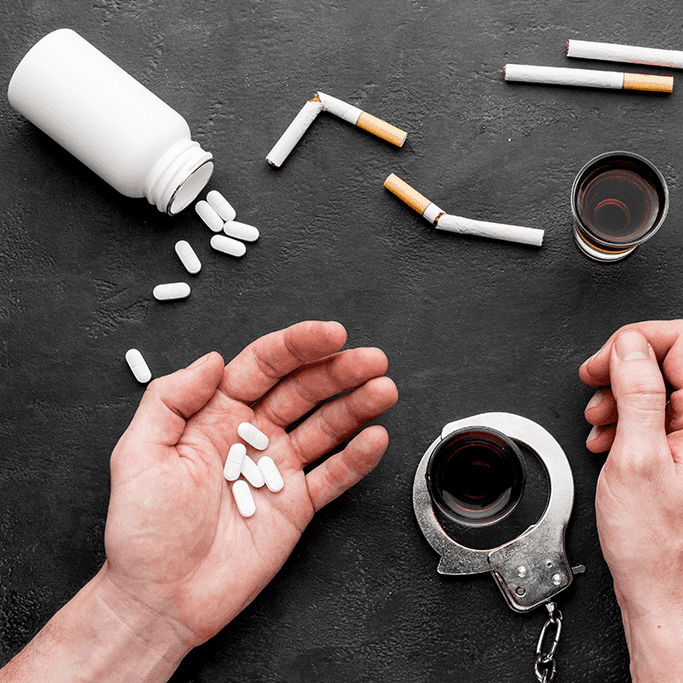
The signs of drug withdrawal symptoms can differ based on the substance, but many symptoms are commonly experienced. Intense cravings for the drug may arise. Fatigue, restlessness, and trouble sleeping are also common. Physical symptoms like nausea, vomiting, diarrhoea, sweating, chills, and muscle aches may occur. Emotional changes such as mood swings, irritability, anxiety, and depression can become overwhelming. In severe cases, hallucinations or delirium may develop. Withdrawal affects both mind and body. Common Drug Addiction Withdrawal Symptoms include anxiety, irritability, depression, and strong cravings. Sleep issues like insomnia or excessive sleepiness can make recovery feel even more difficult, but these effects ease with time and support. Each substance affects the body differently. Opioid withdrawal can feel like having the flu, while alcohol withdrawal may be severe and even life-threatening, sometimes causing seizures. Understanding the specific effects of a substance helps healthcare professionals manage drug withdrawal symptoms safely and effectively. A detailed infographic or conceptual image illustrating the various signs of drug withdrawal, such as physical tremors and emotional distress, emphasising that these are biological responses to a change in chemistry.General Physical Symptoms:
Emotional & Psychological Symptoms:
Specific Symptoms by Substance:
Managing Withdrawal in India
Substance use disorder affects whole families, not just one person. The treatment of withdrawal symptoms is an important step, and it is also the beginning of recovery. With the right support through therapy, medical care, a balanced diet, and mindfulness, balance can return. Strength builds slowly, relationships start to recover, and daily life begins to feel normal again. Recovery takes time, but it is always possible with the right help and care. Recovery isn't about perfection; it's about progress. With compassionate care, hope is always within reach. Try combining emotional support at home with structured care; notice how this blend makes recovery feel steadier and more achievable. Expert consultation ensures a safer, structured recovery path.
Understanding the Body's Reaction to Withdrawal
Drug withdrawal affects both the body and the mind. When the body becomes dependent on a substance, and its use is reduced or stopped, the internal balance is disrupted, leading to restlessness, anxiety, low mood, and physical discomfort. These reactions are not signs of weakness. They show that the body is beginning to recover and adjust. The process can be challenging, which is why compassion and proper medical support matter. Understanding what happens during withdrawal helps individuals approach recovery with patience and confidence. Physiological Response Regular drug use changes the body's chemistry. When substance use stops, the body must readjust. This can lead to physical symptoms such as cravings, restlessness, sweating, sleep problems, and fatigue. These responses are temporary and treatable. With proper medical support, the body gradually regains balance, making the withdrawal process safer and more manageable. Common Substances Causing Withdrawal Withdrawal affects the body differently depending on the substance used. Opioid withdrawal often causes flu-like symptoms such as body aches, nausea, and restlessness. Withdrawal from alcohol and benzodiazepines can be medically serious and may involve seizures or delirium, requiring professional supervision. Stimulants and nicotine can lead to mood changes, fatigue, and strong cravings. Understanding these differences allows medical teams to monitor risks closely and provide safe, timely, and appropriate care during withdrawal. Duration and Severity Withdrawal has no fixed timeline. It may last days, weeks, or sometimes months, depending on the substance and overall health. Ongoing care through medical supervision, therapy, nutrition, exercise, and mindfulness supports both mind and body. Each step forward, even a small one, moves the individual closer to lasting recovery.
Neurobiology of Drug Withdrawal
Beyond physical symptoms, withdrawal also involves profound changes in brain chemistry and emotional regulation. When someone stops using a substance after a long time, the body and brain try to adjust. Anxiety, restlessness, nausea, and body aches are common. In the brain, reward and pleasure pathways become less responsive, while stress and craving systems become more active, making the process of recovery in addiction complex. But here's the hope: doctors now understand these changes better than ever. With personalised substance abuse treatments, withdrawal symptoms can be eased, risks managed, and long-term recovery supported. No burden is too heavy to share. With steady support, every step in recovery leads closer to calm, balance, and a sense of self restored. Sukoon Suggests: Pay attention to how your body reacts to different substances, as these reactions can guide recovery and make the process more manageable. Begin a treatment journey that's customised to your needs.
Why Professional Assessment Matters
Withdrawal can be overwhelming, affecting the body, mind, and emotions all at once. During this stage, self-care alone is not enough. Professional support becomes essential to manage the risks safely. Under medical supervision, symptoms are closely monitored, and substance abuse treatments are provided to reduce discomfort and prevent complications. With the right care, recovery becomes safer, steadier, and more sustainable. Cravings, anxiety, mood swings, and low spirits are common during withdrawal. Support from a therapist or counsellor can make a real difference: helping to manage emotions, build coping skills, and uncover the deeper causes of addiction. Mental health care is just as vital as physical treatment in achieving lasting recovery. It's also common to face other conditions, such as depression or anxiety, during withdrawal. A professional assessment helps address both withdrawal and these co-occurring challenges together, creating a stronger base for recovery. No one has to face this process alone: the right support marks the beginning of a healthier, balanced, and empowered life. Sukoon Suggests: Choose structured care when self-care feels overwhelming, as guided support brings steadier progress and safety. Balance recovery with life's responsibilities.Your Mind Matters
Looking at the Bigger Picture
Effective Drug Withdrawal Treatment Options
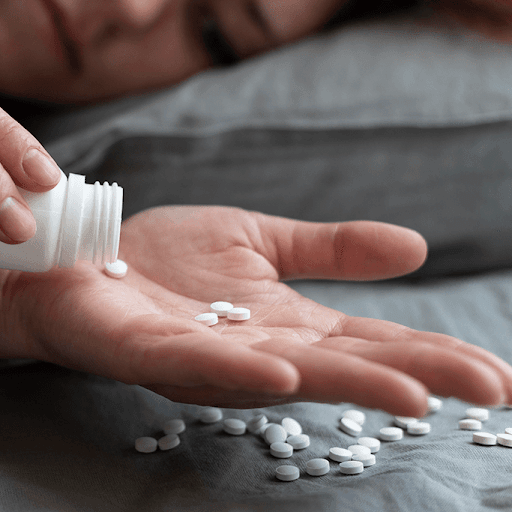
Managing drug withdrawal is most effective with a holistic approach: blending medical care, therapy, healthy lifestyle changes, and a reliable support system. Medication-Assisted Treatment (MAT) Medication-Assisted Treatment (MAT) uses prescribed medicines under medical supervision to ease withdrawal symptoms and reduce cravings. It's primarily used for opioids and alcohol, helping individuals stay stable and more comfortable during recovery. Psychosocial Therapies Psychosocial therapies focus on the thoughts, emotions, and behaviours linked to addiction. Approaches such as Cognitive Behavioural Therapy (CBT) help people recognise unhelpful thinking patterns and develop healthier coping skills. Motivational Enhancement Therapy (MET) supports individuals in strengthening their own motivation to change, especially when they feel unsure or stuck. Regular therapy sessions provide guidance, emotional support, and structure, helping people build stability and work towards long-term recovery. Support Systems Family, friends, and support groups such as Narcotics Anonymous play a vital role in recovery. Their emotional support, shared understanding, and encouragement help sustain motivation. Connection and accountability make the journey toward sobriety stronger and more hopeful. Lifestyle & Holistic Approaches Healthy habits - like exercise, balanced nutrition, stress management, yoga, and meditation - can make withdrawal easier and support lasting recovery. Tips for Coping Stay hydrated, eat well, get enough rest, practice relaxation techniques, lean on friends and family, and avoid triggers linked to drug use. With the right combination of care, support, and lifestyle changes, recovery is possible. A close-up of a prescription bottle with a person's shadow in the background, illustrating the complex nature of drug withdrawal when moving away from prescribed opioids or sedatives.
Managing Withdrawal: Finding the Right Support
Withdrawal affects both the body and the mind. The DSM-5 explains it as a set of symptoms that appear when drug use is stopped or reduced. These may include anxiety, irritability, sleep problems, and strong cravings. Many also experience low energy, difficulty focusing, and loss of motivation. During this stage, relapse is common and should not be seen as failure. With proper medical care and ongoing support, these symptoms can ease over time, helping the person regain balance and strength. Hospital Care When withdrawal is intense or potentially life-threatening, hospital care offers the safest option. Doctors provide 24/7 monitoring, prescribe medications, and manage risks like seizures or dehydration. A hospital setting ensures stability, comfort, and immediate intervention during the most challenging phase. Outpatient Programs For moderate withdrawal or after initial detox, outpatient programs provide structured care while allowing continuation of daily routines. Regular counselling, medical supervision, and therapy sessions help maintain progress. These programs work best with a supportive home environment and steady engagement. Home-Based Support In mild cases, withdrawal can sometimes be managed at home with medical advice and family support. Prescribed medications can reduce discomfort, but safety and supervision are crucial. A calm, drug-free setting supported by loved ones strengthens recovery at this stage. Whether through hospital care, outpatient treatment, or guided home support, effective withdrawal management helps rebuild health, stability, and hope for lasting recovery. This approach is not suitable for all substances or individuals. Sukoon Suggests: Healthy habits such as regular meals, proper rest, gentle exercise, and simple relaxation practices can make withdrawal easier to manage and help recovery stay steady. Begin a steadier recovery with personalised care.
Challenges and Future of Drug Withdrawal Treatment
Drug withdrawal can feel overwhelming, and this experience is completely natural. Each person experiences it differently, and there's no single treatment that works for all. The stigma surrounding addiction often makes reaching out even harder. Still, progress brings hope. Research now focuses on personalised treatments, guided by genetics, brain chemistry, and individual history, to make recovery safer and more effective. As addiction is increasingly recognised as a medical condition rather than a moral failing, compassion replaces shame. With steady support, withdrawal can be managed safely, one step at a time.
Preventing Drug Relapse
Relapse prevention begins with awareness. Recognising triggers, building coping strategies, and maintaining steady support through therapy, family, or peer networks strengthens long-term recovery. Each mindful choice builds resilience, helping recovery move forward with greater stability and a sense of lasting balance. Relapse Triggers and Risk Factors Stress, intense emotions, or being around places and people linked to past drug use can increase the risk of relapse. Noticing these personal triggers during the treatment of withdrawal symptoms is a key step in staying grounded and maintaining control throughout recovery. Ongoing Support and Aftercare Recovery doesn't end when initial treatment is complete: ongoing support is key. Aftercare programs, continued therapy, regular follow-ups with counsellors, and support groups help maintain stability and prevent relapse. Building coping strategies, healthy routines, and a supportive network strengthens long-term resilience. With steady guidance and care, it's possible to sustain sobriety and well-being: step by step, moving toward a brighter, drug-free future filled with confidence and hope. Sukoon Suggests: Consider Medication-Assisted Treatment to ease tough withdrawal symptoms and make the recovery process safer and more manageable. Together, we can make recovery possible.
Caregivers Need Care Too
Supporting someone through addiction can weigh heavily on the heart and body. With renewed well-being, caring for others becomes more effortless. Take breaks and rest: Step back, breathe deeply, and recharge. Patience and clarity flow more freely when energy is renewed. Seek support: Counsellors, support groups, or trusted friends can ease the burden, showing that support is always within reach. Prioritise wellness: Gentle movement, wholesome meals, and restorative sleep strengthen both body and spirit, building resilience against stress and emotional fatigue. Set boundaries: Saying "no" when needed isn't selfish: it protects energy and keeps compassion sustainable. Lean on loved ones: Family and friends can walk beside the journey, offering guidance, encouragement, and practical help when the path feels heavy. Self-care is strength. Looking after one's well-being isn't separate from caring for others; it's what allows love and patience to endure through every stage of recovery.
Hope is Always Around
Going through drug withdrawal can feel heavy, frightening, even endless… but no one goes through it alone. With the right care and support, this tough phase can be managed, leading towards lasting recovery. Every recovery journey is different. Some face stronger symptoms, others encounter setbacks. Relapses may occur, but that isn't failure: it's part of learning and building strength. Each path remains unique, and recovery remains possible. Hope is always closer than it seems. At Sukoon, we're here for you. Our team includes psychiatrists, psychologists, nurses, social workers, occupational therapists, yoga and art therapists, physiotherapists, and nutritionists. Together, they create a personalised plan to reclaim control of your life and move towards a healthier, drug-free future. We are in this together.
Bibliography
Symptoms associated with the DSM-5 diagnosis of substance withdrawal Buprenorphine for opioid-dependent patients in office practice The Neurobiology of Opioid Dependence: Implications for Treatment Management of withdrawal syndromes and relapse prevention in drug and alcohol dependence Drug addiction: pathways to the disease and pathophysiological perspectives Age at onset of alcohol use and its association with DSM-IV alcohol abuse and dependence
FAQs about Drug Addiction Withdrawal
What is drug addiction withdrawal? Drug withdrawal occurs when the body and mind react to the sudden absence of a substance they've grown dependent on. Common reactions include cravings, mood swings, nausea, sweating, and disrupted sleep. The intensity varies based on the substance, overall health, and duration of use. Recognising these drug withdrawal symptoms is the first step toward finding safe, guided support for recovery. How does drug withdrawal work? Drug withdrawal begins when the body adjusts to the loss of a substance it has grown dependent on. During drug withdrawal syndrome, the brain and nervous system, once regulated by the drug, enter an imbalanced state. This disruption often causes symptoms like anxiety, sweating, nausea, disturbed sleep, or cravings. The intensity can range from mild discomfort to severe medical complications, depending on the substance and duration of use. With time, the body slowly restores its natural balance, though recovery can feel challenging both physically and emotionally. How long do drug withdrawal symptoms last? The length of withdrawal symptoms varies from person to person. Some substances cause discomfort for only a few days, while others can trigger weeks of challenges. Factors like the type of drug, length of use, and personal health strongly influence recovery time. Even after the acute phase ends, mood changes or cravings may linger. Understanding the duration is an important part of drug withdrawal treatment, helping people stay prepared and committed to recovery. What causes drug withdrawal syndrome? Drug withdrawal syndrome happens when the body becomes dependent on a substance, and it is suddenly reduced or stopped. The brain and nervous system, which have adapted to the drug's presence, struggle to regain balance. This disruption causes physical reactions such as sweating, nausea, or tremors. Emotional effects like anxiety, irritability, and low mood are also common. The severity and type of drug addiction withdrawal symptoms vary depending on the substance, length of use, and individual health. What happens to the body during drug withdrawal? During withdrawal, the body reacts to the loss of chemicals it once depended on. Heart rate, blood pressure, and sleep patterns can shift unpredictably, while cravings often grow stronger. Alongside these physical effects, mental health struggles such as anxiety or depression may appear. Some people also experience nausea, sweating, or shaking as the system tries to rebalance. Understanding these changes is essential during drug detoxification, as they reflect the body's effort to adapt and recover without the substance. What is the best medicine for drug withdrawal? There isn't a single medicine that works for every type of drug withdrawal. Treatment depends on the substance involved, the severity of dependence, and individual health needs. Doctors may prescribe medications like methadone or buprenorphine for opioid withdrawal, or benzodiazepines for alcohol-related symptoms. Other medicines can help manage nausea, anxiety, or sleep problems during the process. The safest option is to seek medical guidance, as supervised care ensures both comfort and safety in recovery. What are the dangers of drug withdrawal? Drug withdrawal can be dangerous, particularly without medical supervision. Certain substances, like alcohol or benzodiazepines, may trigger severe withdrawal syndrome or life-threatening complications such as seizures and heart irregularities. Intense cravings, mood swings, and emotional distress often accompany drug withdrawal symptoms, increasing the risk of relapse or self-harm. Physical effects like dehydration, malnutrition, and disrupted sleep further strain the body. Seeking substance abuse treatment under professional guidance ensures a safer, more effective recovery. Do you fully recover from drug withdrawal? Yes, full recovery is possible, but it takes time and support. Physically, the body can restore its natural balance once the substance is out of the system. Mentally and emotionally, recovery may take longer, as cravings, mood swings, or triggers can persist. Ongoing therapy, lifestyle changes, and support networks help strengthen resilience and prevent relapse. With consistent care, most people can regain stability and lead a healthy, substance-free life. How to manage withdrawal symptoms of drugs? Managing withdrawal symptoms requires a combination of medical care, self-care, and emotional support. Medical supervision can provide medications to ease physical discomfort and prevent complications. Staying hydrated, eating balanced meals, and maintaining regular sleep help the body cope. Counselling, therapy, or support groups address emotional challenges and cravings. Gradually, these strategies together allow the body and mind to adjust safely and build a foundation for lasting recovery. Why is ongoing support important after withdrawal? Ongoing support is crucial to sustain progress after withdrawal and reduce the risk of relapse. Recovery, whether through substance abuse treatments or alcohol detoxification, impacts both body and mind, so continued guidance helps manage lingering cravings, stress, and emotional challenges. Professionals, peers, and loved ones provide accountability, encouragement, and practical coping strategies. Counselling, support groups, and healthy routines strengthen resilience and reinforce long-term sobriety. Understanding withdrawal syndrome meaning and the risks of relapse shows that recovery extends beyond detox - lasting change requires consistent care and attention.





+91 8448156500

+91 1244265238


admissions@sukoonhealth.com

Menu