


Back
Performance Enhancing Drugs: Addressing Addiction in Indian Sports
12 Min Read
Table of contents
- Let's talk about Performance Enhancing Drugs (PED)
- Impact of Performance-Enhancing Drugs on Athletes
- Types of Performance-Enhancing Drugs (PEDs)
- Cycle of Drug Addiction in Sports
- Safety Intervention and Treatment Approaches
- Legal and Ethical Implications
- Prevention and Education Programs
- Conclusion
- Bibliography
Table of contents
Let's talk about Performance Enhancing Drugs (PED)
Performance Enhancing Drugs (PED) may promise quick wins, but they often come with high costs - to your body, mind, and confidence. The side effects of performance-enhancing drugs can impact every part of an athletes life: Heart under pressure: A major side effect is that PED use can strain the heart, raise blood pressure, and increase the risk of serious heart issues. Hormones in chaos: PEDs disrupt natural hormone balance, leading to mood swings, energy crashes, and reproductive problems. Liver load: Oral steroids, in particular, can damage the liver and raise long-term health risks. Injury trap: Muscles may grow stronger, but tendons can weaken, a dangerous setup for injuries that can cut a career short. Mental health hits: The side effects of performance-enhancing drugs extend beyond the body. They can trigger anxiety, depression, aggression, and even addiction, leaving athletes mentally drained and emotionally distant. PED use isn’t just a physical issue; it’s deeply tied to how athletes handle pressure, expectations, and self-worth. Reaching out for help isn’t a weakness; it’s a strength. With the right mental health support, open conversations, and education, athletes can break free from the cycle, reclaim their well-being, and rediscover their passion - no shortcuts needed. PED addiction can cloud judgment and amplify aggression, anxiety, and depression - driving athletes into an obsessive cycle of training and performance.
Reclaiming Control
Psychological Indicators of Addiction in Athletes
Impact of Performance-Enhancing Drugs on Athletes
Performance-enhancing drugs can create serious and lasting consequences for athletes. Here's how they affect performance, health, and overall well-being: Short-term gains: Temporary boosts in strength, speed, or recovery that come with long-term risks. Physical health risks: Heart damage, liver issues, hormonal imbalance, and higher chances of injury. Mental health effects: Anxiety, aggression, mood swings, and potential dependence. Reduced natural confidence: Reliance on substances instead of personal ability or training. Career consequences: Risk of suspensions, bans, and long-term damage to reputation. Loss of integrity: Undermines fairness, trust, and the true spirit of competition. Increased vulnerability in India: Limited awareness and high performance pressure amplify risks. Performance enhancers (PEs) can make the body build more muscle, increase strength, and improve stamina. But there's a catch. Along with these short-term gains come serious risks. They can harm the liver, affect the heart, upset the body's hormones, and even cause stress or mood problems. That's why it's important to look at the bigger picture- health, balance, and mental well-being matter more than temporary results. The good news? With proper guidance and healthier training methods, athletes can still achieve their goals safely without putting their bodies or minds in danger. Remember, your health and well-being matter most. Performance enhancers may providea short boost, but the risks outweigh the benefits! Using them can harm your body, mental health, damage your reputation, and even lead to bans from competition. True success comes from hard work, balance, and staying healthy. Break The Silence Is recovery from Addiction possible?
Physiological Effects of Performance-Enhancing Drugs on the Human Body
Performance Benefits and Risks Associated with PED Use

Watch this AMA with Dr. Vipul Rastogi to learn more.
Types of Performance-Enhancing Drugs (PEDs)
Common types are anabolic steroids, stimulants, diuretics, human growth hormone (HGH), and EPO. Each works differently on the body, but they can all affect both physical and mental health. A closer look at what performance-enhancing drugs athletes use and their effects.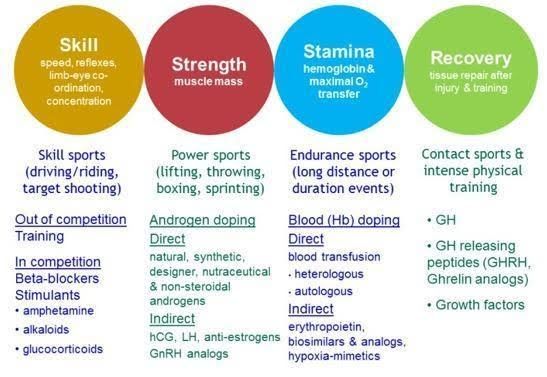
Cycle of Drug Addiction in Sports
It's important to understand why some athletes may feel drawn to performance enhancing drugs (PEDs) in Indian sports. Imagine being a sportsperson in a highly competitive environment with the whole world watching your wins and losses. The trap of PEDs is easy to fall into at such high stakes without timely intervention and expert care. By recognising this cycle, we can create safer strategies that protect athletes' health and support their overall well-being. True strength comes from persistence, not from pills or shortcuts! And if you are taking PEDs, know that help is within reach, and you can definitely get past this. performance enhancing drugs (PEDs) can feel very tempting for athletes. Just think of a promise of quicker recovery, more strength, and a chance to get ahead. Doesn't it sound tempting? With the pressure to win and be recognised, it's understandable why some athletes might think about using them. But Performance Drugs don't just change the body- they also affect the mind. They can create feelings of euphoria, overconfidence, and even a sense of invincibility. Over time, this can lead to dependency, where athletes feel they need these substances just to perform. That cycle can be tough, both physically and emotionally, but with the pepper and timely support, it's absolutely possible to break free and choose healthier paths. It's important to remember that athletes are also human, and a lot of psychological pressure can build up behind the scenes. With the need to perform the best- every single time, a fear of failure, and the drive to be perfect, athletes can sometimes be pushed toward quick fixes like performance-enhancing drugs (PEDs). But with awareness and support, these challenges can be understood and managed, helping athletes break free from the cycle. In competitive sports, especially, the line between fair play and doping can be blurry, making the situation more complex. Many athletes also struggle with self-doubt, body image worries, or the need for validation. These feelings can make Performance Drugs seem like a way to cope with stress or anxiety. We want you to know: It's okay to feel the weight of expectations; recognising it is the first step toward protecting your wellbeing and integrity. Athletes face intense physical, emotional, and social pressures. In many sports circles, the use of performance-enhancing drugs (PEDs) is often normalised through peer influence, competition, and community expectations - making it difficult to resist and stay true to one's values. Without the right education and support, many athletes become vulnerable to manipulation by those who exploit their ambitions. When victory becomes more important than well-being, ethics and mental health take a back seat, leading to a cycle of pressure and dependency that's hard to escape. By breaking the silence around these challenges, the Indian sports community can begin to tackle the real causes of performance drug usage. Through increased awareness, mental health care, and strong anti-doping initiatives, athletes can regain their confidence, integrity, and passion for the game. Sukoon Suggets: Regain control, stay clean, stay strong! Athletes can recover from performance-enhancing drugs addiction with expert treatment at Sukoon.Exploration of the Addictive Nature of Performance Drugs
Psychological Factors Contributing to the Cycle of Addiction
Understanding How Athletes Become Entangled in the Cycle
Safety Intervention and Treatment Approaches
Catching the signs of PED addiction early can make all the difference. Coaches, sports organisations, and medical professionals play a key role in spotting red flags - whether that's sudden physical changes or shifts in mood and behaviour. Beyond performance, coaches must focus on an athlete's overall physical and mental well-being, offering reassurance, reducing unnecessary pressure, and encouraging honest conversations. Regular check-ins and education about PED risks help athletes seek support before the situation escalates. Overcoming Performance Enhancing Drug addiction isn't just about detoxing - it's about recouping the body, mind, and identity of the athlete. A strong recovery plan brings together doctors, addiction specialists, psychologists, and coaches to offer medical care, therapy, and emotional guidance. Medical professionals help manage drug withdrawal symptoms and reduce cravings, while therapists use behavioural and cognitive strategies to build healthier coping mechanisms. Coaches and sports psychologists provide mentorship, encouragement, and structure, helping athletes rebuild confidence and rediscover their purpose in sport. Athletes in recovery need support that understands both their mindset and their training demands. Tailored rehabilitation programs combine medical care, nutrition, and performance coaching with emotional well-being tools like mindfulness, stress management, and resilience training. Peer support groups and recovery communities also play a significant role, providing athletes with the opportunity to share stories, stay motivated, and rehabilitate together. With evidence-based care, empathy, and collaboration, these programs help athletes rebuild their health, reclaim their identity, and return to sport with integrity and confidence. Choose integrity, confidence, and balance. Let Sukoon guide you through your recovery journey.1. Strategies for Early Intervention
2. The Power of a Multidisciplinary Approach
3. Athlete-Focused Rehabilitation Programs
Legal and Ethical Implications
The regulatory landscape pertaining to Performance Enhancing Drugs in sports encompasses various measures such as anti-doping protocols, athlete agreements, and disciplinary actions administered by sports entities and regulatory bodies. Athletes breaching anti-doping guidelines may incur penalties including suspensions, loss of sponsorship deals, and harm to their public image. The ethical domain surrounding PED usage implicates athletes, coaches, sports entities, and the broader sporting populace. Adhering to principles of equitable competition, honesty, and deference for fellow competitors is imperative in upholding the authenticity of sports and nurturing the ethos of sporting rivalry. Athletes caught transgressing anti-doping regulations could face dire ramifications, ranging from disqualification in competitions to forfeiture of accolades and extended periods of suspension. Additionally, coaches, mentors, and sports institutions may be deemed complicit in promoting or tolerating PED usage amongst athletes, thus facing potential consequences.Examination of the Legal Framework Surrounding PED Use in Sports
Ethical Considerations for Athletes, Coaches, and Sports Organizations
Consequences and Penalties for Violating Anti-Doping Regulations
Prevention and Education Programs
Proactive measures play a pivotal role in disseminating awareness concerning the perils and outcomes associated with PED utilisation in sports. Collaborative efforts among sports bodies, academic institutions, and local communities are instrumental in orchestrating preventive campaigns aimed at fostering a climate of integrity and equity in competitive sports. Educational programs tailored for athletes furnish invaluable insights into the physiological, psychological, and legal ramifications of PED consumption. Such initiatives empower athletes to make discerning choices, resist peer influence, and prioritise their health and welfare. Advocating for transparency and fairness within the sporting milieu necessitates concerted actions from athletes, coaches, sports entities, and anti-doping agencies. By nurturing a culture of accountability, honesty, and transparency, the sports fraternity can espouse the values of sportsmanship and ethical competition.Role of Prevention Initiatives in Sports Organizations
Educational Programs for Athletes on the Risks and Consequences of PED Use
Promoting a Clean and Fair Sporting Environment
Conclusion
In conclusion, managing PED dependency in sports necessitates a comprehensive strategy involving education, deterrence, intervention, rehabilitation, and regulation. By grasping the nuances of dependency and embracing moral values, the sporting fraternity can collaborate to foster transparent, equitable, and wholesome competition. Sustained endeavors are imperative to counter PED dependency and preserve the sanctity of sports. Through continual exploration, policy formulation, and consciousness-raising endeavors, vested interests can instigate positive transformations and foster a more secure and impartial ambiance for athletes. Fostering ongoing exploration and consciousness-raising initiatives remains pivotal in keeping abreast of evolving patterns and dilemmas linked to PED utilisation in sports. By maintaining a proactive stance and adaptability, the sporting community can remain ahead in championing probity, impartiality, and excellence in athletic contests.Summarising Key Findings and Insights
Advocating for Continuous Efforts in Addressing Sports Enhancement Drugs
Encouraging Ongoing Research and Awareness Initiatives

Bibliography
World Anti-Doping Agency (WADA). (2020). World Anti-Doping Code. National Institute on Drug Abuse (NIDA). (2020). Research Report Series: Anabolic Steroid DrugFacts. Doping in Sports: Detection and Prevention. (2019). Springer International Publishing. Olympic Council of Asia (OCA). (2019). Doping Control Rules and Protocols. Australian Sports Anti-Doping Authority (ASADA). (2020). Athlete Support Personnel.





+91 8448156500

+91 1244265238


admissions@sukoonhealth.com

Menu