


Back
Opioid Dependence in India: A Guide to Understanding, Treatment, and Recovery
15 Min Read
Table of contents
- Let's Talk About Opioid Dependence
- What is Opioid Dependence?
- Physical and Mental Symptoms of Opioid Addiction
- The Many Causes Behind Opioid Dependence
- Impact: How Opioid Dependence Disrupts Daily Life
- Common Types of Opioids
- The Supportive Diagnostic Process
- Comorbidity: Essential Care for Opioids and Emotional Disorders
- Opioid Addiction Treatment Options in India
- Taking the First Step
- Support: How Families and Friends Can Truly Help
- 7 Tips for Caregivers
- Seeking Professional Help
- Aftercare
- Crisis Management
- Preventive Strategies
- Am I at Risk?
- Hope Is Always Around
- FAQS About Opioid Dependence In India
- Bibliography
Table of contents
Let's Talk About Opioid Dependence
Opioid dependence has become a major health concern in India, affecting the body, mind, and social life of many people. In busy cities like Mumbai and small villages across Punjab, this crisis leads to loss of lives, family problems, and growing pressure on communities. As the country develops and faces financial stress, India continues to battle an opioid epidemic that is expanding across regions. This blog explains opioid dependence in simple language to offer clarity and hope. It can help those seeking support, guide a loved one, or raise awareness. Learning about this condition can feel heavy, but many families have faced it and found strength. With the right opioid treatment and steady support, recovery becomes possible. This blog explores important questions such as: What is the best treatment for opioid dependence? What causes opioid addiction? What are the diagnostic criteria? What are the common signs of opioid abuse? What are the main risk factors? Opioid dependence often grows slowly. In India, easy access to codeine syrups, heroin from border regions, financial stress, and limited mental health support have increased the number of cases. Both rural and urban areas are deeply affected. The first step may feel difficult, but proper medical care and emotional support can bring balance back into life. In this blog, we'll guide you through some of the key questions that often come up: Raj, 38, works in a busy factory in Mumbai. A few months ago, he hurt his back, and the doctor gave him painkillers. At first, he took them only when the pain was severe. Slowly, he began using them to get through long work hours. Later, he started taking extra pills and even borrowed tablets from colleagues when his own ran out. He ignored early signs. He felt tired all the time, his hands sometimes shook, and there were arguments at home about missing money. He kept saying he could stop anytime. But things got worse. He forgot important dates, fought more with his family, and felt a quiet shame he could not describe. A close friend encouraged him to visit a clinic. After talking openly with the doctor and doing a few tests, he learned he had opioid dependence. The medicine had changed how his brain worked, and the discomfort he felt was part of withdrawal. He began detox, took medicines to reduce cravings, and went for counselling at a reputed centre. His family learnt to support him with patience. Now, months later, he is working again, fixing relationships, and handling his triggers. Each small step is helping him recover.
What is Opioid Dependence?
Opioid dependence, also called opioid use disorder in the DSM-5-TR, is a type of substance use disorder. It means a person finds it hard to control opioid use, even when it harms health, family life, or work. Over time, the brain and body start depending on opioids, leading to strong cravings and repeated use. This is often described as opioid addiction and is a medical condition, not a personal failure. Opioid Use Disorder can involve different types of opioids. These include natural opioids like morphine and codeine, semi-synthetic opioids such as oxycodone, and fully synthetic opioids like fentanyl. Heroin is another powerful opioid and is closely linked to the opioid crisis and the wider opioid epidemic. Although opioids are prescribed for pain relief, their strong effects on the brain can increase the risk of misuse. When used correctly, opioids are taken for a short time under a doctor’s supervision. In opioid dependence, tolerance develops, so higher doses are needed to get the same effect. Stopping or reducing use can cause opioid withdrawal symptoms, such as pain, nausea, anxiety, and restlessness. Proper treatment, support, and understanding are essential, especially in India, where access to painkillers and heroin increases the risk.
Physical and Mental Symptoms of Opioid Addiction
In the DSM-5-TR, Opioid Use Disorder is diagnosed based on a combination of physical, mental, and behavioural symptoms. These symptoms often start small but can quickly disrupt daily life: Tiny pupils Slowed movements and constant sleepiness Pale skin and severe constipation Confusion or "nodding off" suddenly Needle marks that may cause an infection from injection, hepatitis, or HIV Strong Opioid withdrawal symptoms when a dose is missed, such as sweating, chills, vomiting, diarrhoea, shaking, and intense muscle pain The mental and emotional effects grow quickly: Constant cravings that disrupt focus Sudden mood swings Isolation to hide opioid use Foggy thinking and trouble making decisions Shame, guilt, depression, anxiety, and sometimes suicidal thoughts These symptoms show the person needs immediate Opioid treatment and support.
The Many Causes Behind Opioid Dependence
Several factors work together to create Opioid dependence. Biology plays a key role because some people inherit genetic sensitivities that make the effects of opioids stronger. Trauma is another major trigger. People who have lived through physical or emotional pain may use opioids for relief until that comfort slowly becomes a trap. In India, environmental pressures make the risk even higher. The Golden Crescent brings heroin into the market, and codeine syrups or painkillers are easy to access. Social pressure, unemployment, family conflict, and mental health issues like anxiety or PTSD often lead to self-medication. When easy access meets emotional vulnerability, opioid abuse becomes far more likely. Key factors include: Genetic vulnerabilities that heighten sensitivity to opioids and reward signals Past trauma that makes emotional relief extremely tempting and addictive Easy access to heroin, codeine syrups, and prescription painkillers Social and family stress that pushes individuals toward risky coping habits Mental health issues like anxiety, depression, or untreated PTSD symptoms Low awareness and stigma, which delay early help and treatment access When these factors are understood in time, it becomes easier to prevent a deeper opioid addiction. Break The Silence What is it like living with opioid dependence in India? Let's explore.
Impact: How Opioid Dependence Disrupts Daily Life
Opioid dependence affects every part of life. Days slow down, work suffers, and concentration fades. Deadlines are missed, and accidents become more likely. Physical health declines with shallow breathing, severe constipation, weight changes, and infections that raise the risk of opioid overdose. Relationships also weaken. Families feel lost, trust breaks due to secrecy, and partners or children feel abandoned. Stigma around painkiller addiction in India pushes people into silence, but with timely help, recovery can rebuild hope and reconnect families.
Common Types of Opioids
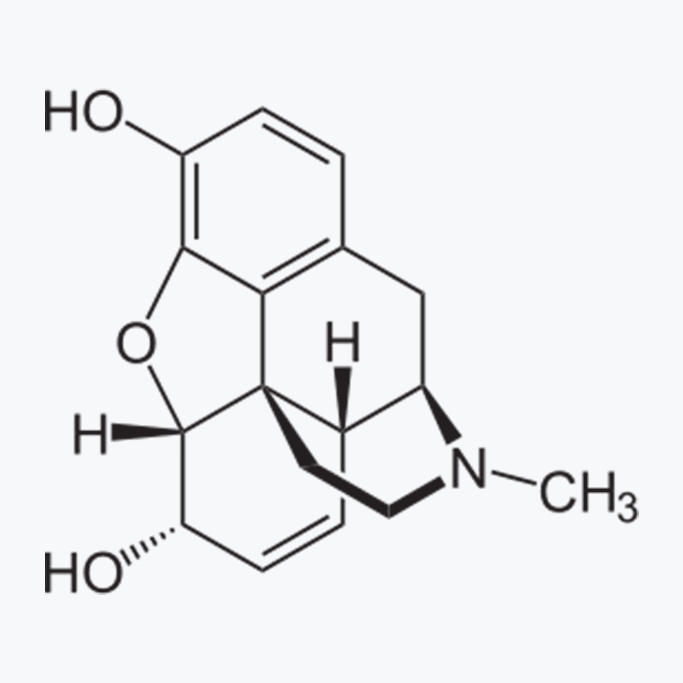
Learning about the types of opioids makes it easier to understand how they work and why they differ. These medicines fall into three main groups: Natural opioids such as morphine and codeine Semi-synthetic opioids like oxycodone and hydrocodone, created by modifying natural compounds Fully synthetic opioids, including fentanyl and tramadol, are laboratory-made and often extremely potent Fentanyl is closely tied to the global opioid epidemic because even tiny amounts can cause an opioid overdose. In India, heroin or brown sugar is still the most widely used illegal opioid. All these substances act on the brain’s opioid receptors; they reduce pain but also create a strong sense of relief that can lead to harmful opioid addiction behaviour if used without proper guidance. Disclaimer: This information is for educational purposes only and is not medical advice. The effects and risks of opioids vary by individual and substance. Always consult a qualified healthcare professional before using or stopping any opioid medication. This image shows the chemical structure of an opioid drug. Opioids affect the brain and can lead to drug addiction, tolerance, and opioid withdrawal symptoms if used repeatedly or without medical supervision.
The Supportive Diagnostic Process
Diagnosing opioid use is a caring step forward. Doctors listen deeply to your story, how opioids affect your days, your joys, and your struggles. They follow trusted guides like the DSM-5, spotting signs such as strong cravings, failed tries to quit, building tolerance, or tough withdrawals. A kind physical check looks for things like track marks, infections, or breathing worries. Quick urine tests spot opioids in your system, while blood work reveals if your body needs extra care. Heartfelt screenings uncover hidden pains like sadness, worry, or past hurts. In India, loved ones often join in, weaving a web of family support. This isn't about blame. It's about hope. Together, it crafts a clear path to safe and effective opioid treatment and a brighter tomorrow.
Comorbidity: Essential Care for Opioids and Emotional Disorders
Many people with Opioid dependence also struggle with other mental health conditions. This is common because opioids are often used to escape emotional pain. Depression, anxiety, PTSD, and personality disorders are frequently found alongside Opioid addiction. If these conditions are not treated together, recovery becomes harder. This is why integrated treatment that addresses both the substance use disorder and mental health is essential.
Opioid Addiction Treatment Options in India
In India, treatment for opioid dependence typically starts with supervised detoxification, aimed at managing opioid withdrawal symptoms such as body pain, nausea, sweating, anxiety, and restlessness. Detox is available at government and private de-addiction centres in cities like Delhi, as well as rural clinics in areas like Punjab. Medical supervision is crucial because withdrawal can be physically and emotionally challenging. Following detox, medication-assisted treatment helps stabilise brain function and reduce cravings. Buprenorphine is commonly used to ease withdrawal discomfort, while methadone provides steady, long-term control under daily supervision. Naltrexone blocks opioid effects and prevents the “high,” even during relapse. Regular monitoring is essential due to possible side effects of opioids, such as drowsiness or heart issues. Therapy is a vital part of recovery. Cognitive Behavioural Therapy (CBT) helps change harmful thought patterns, and support groups, such as Narcotics Anonymous in Mumbai, provide peer encouragement. These evidence-based approaches improve recovery outcomes without swapping one addiction for another. Disclaimer: This information is for general awareness only and is not medical advice. Treatment plans differ for each person. Always consult a qualified doctor to discuss risks, side effects, and the right approach. Relapse can happen, but ongoing support improves recovery. In India, you can call the national helpline 14416 for help. Important questions to ask your doctor include: What is my personalised plan? How will you monitor the side effects of opioids used in treatment? How will my mental health be supported? What steps can we take if I relapse? Good treatment builds hope and gives the person a path out of the Opioid crisis and toward a healthier future. Take a Mindful Pause for Sukoon It's easy to feel drained when reading lots of important information. Give yourself a small break. Close your eyes, take a deep breath, and return refreshed.
Taking the First Step
Accepting that you are vulnerable is the first step toward victory. First, check your usage yourself: write down when you use and what your symptoms are. Think about your triggers: is it stress? Boredom? Talk to someone you trust; they can see things you might be missing. Calling a national helpline offers help without having to give your name. Seek professionals: Ask a general doctor for a referral to a de-addiction centre. Be organised and share your history to make the process easier. Celebrate small positive changes, drinking more water, and going for a walk, to build good habits. Remember, mistakes are not failures; they are learning opportunities. Your first step will change everything.
Support: How Families and Friends Can Truly Help
Support is like a strong frame, not a rescue mission. Educate yourself: read information and consider attending support groups for family members to learn how to set healthy boundaries. Listen without judging; saying, "I'm here for you" is better than "Why are you doing this?" Offer practical help: go with them to appointments, and make sure they have healthy food. Do not enable their opioid abuse; compassionately secure valuables. Celebrate successes, and live a sober lifestyle yourself. In India, where family is a strong presence, involve elders carefully, fighting the stigma with stories of recovery and strength. Your presence is the anchor in their storm.
7 Tips for Caregivers
In India, strong family bonds support opioid recovery, but stigma can burden caregivers. Self-care is essential. From Punjab villages to Mumbai factories, helping loved ones also means taking care of your own strength. Here’s how to stay strong: Acknowledge Feelings: Write down anger or fear. It is okay in our duty-first culture. Set Boundaries: Say clearly, "I will join one session each week." This stops burnout. Build Networks: Join Sankalp Trust groups. Or call 14416 helpline for support. Daily Rituals: Do yoga or take chai breaks on busy days. Educate Yourself: Read Ministry of Health and Family Welfare guides on medication-assisted treatment. This helps build understanding and kind responses. Seek Therapy: Use online counselling platforms for affordable family support. Celebrate Wins: Note small achievements and express gratitude. This helps restore hope. You are the quiet hero. Care for yourself to make a real difference.
Seeking Professional Help
Start by looking for help close to home. Check local directories for trusted mental health or de-addiction centres, or use apps and websites that connect you with qualified professionals online. Try to find doctors who are trained in opioid treatment. It is okay to ask simple questions like, “Do you have experience with medication-assisted treatment (MAT)?” or “Do you treat mental health problems along with addiction?” These questions are important. Telehealth services are especially useful in rural areas where specialists may not be nearby. They allow people to speak to doctors and counsellors without long travel or waiting times. Choose professionals who understand trauma and respect your cultural background. The first doctor or counsellor may not always feel like the right fit, and that is normal. Keep searching. Finding the right support can slowly turn a hard step into the start of real recovery.
Aftercare
Aftercare is not the end of the story; it is the next chapter. Regular check-ins with doctors help keep up the progress, and support groups maintain a connection. Getting job training helps people find a new purpose; skill workshops fight the temptation of unemployment. Sober living homes offer a safe place, making it easier to return to normal life. Watch out for triggers; use apps to track moods. Family opioid addiction therapy helps mend broken relationships.
Crisis Management
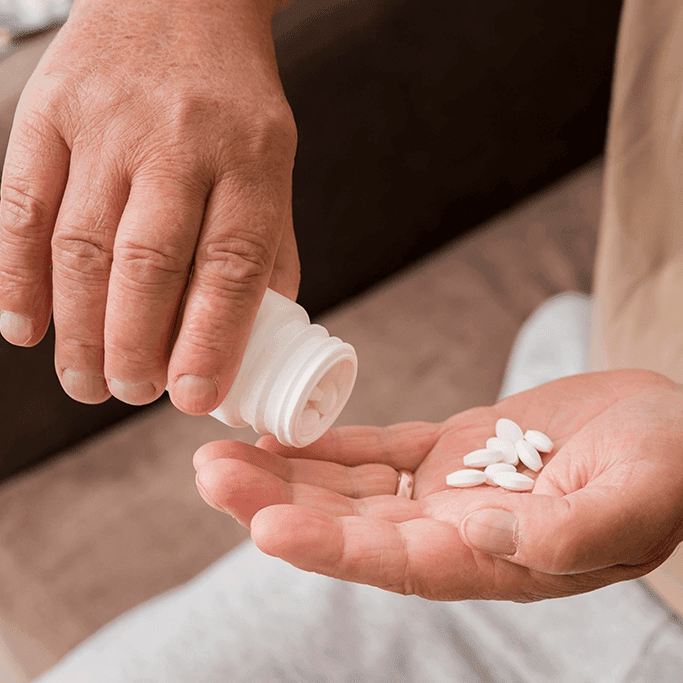
Crises require quick action. Signs of opioid overdose, blue lips, and not waking up mean giving naloxone immediately, which reverses the dangerous slowing of breathing. Organisations in India provide these kits; learn how to use them. Hotlines provide immediate advice; get to a hospital emergency room quickly. After a crisis, talk about what happened: what was the trigger? Adjust the plan. The high number of opioid-related deaths each year shows how urgent preparedness is. Being ready is not paranoia; it is power. This image shows prescription medication linked to drug dependence and substance use disorder. It highlights the symptoms of drug addiction, drug tolerance, and opioid withdrawal effects commonly seen in India. Sukoon focuses on safe, medically guided treatment for drug abuse and recovery support.
Preventive Strategies
Prevention creates safeguards: schools should teach students the facts, and workplaces should be aware of the issue. The police and border control need to be stricter, and pharmacies must keep accurate records of sales. Public education campaigns highlight the dangers. Community groups and clubs build strength and resilience. Government actions: limit prescriptions and fund more rehab centres. Working together can stop the tide before it gets too strong.
Am I at Risk?
Risk is about chances, not fate. Genetics play a role: some people inherit genes that make opioids affect the brain more strongly. Past trauma also increases risk. People who have experienced abuse or neglect are more likely to struggle with addiction. Untreated mental health problems, such as anxiety or depression, can lead people to self-medicate with drugs. Environment matters too. Poverty, peer pressure, stress at home, and easy access to opioids all raise the chances of misuse. Still, risk is not fixed. Personal choices, early treatment, and a strong support system can lower it. Understanding your risk factors helps you stay alert and seek help early. Knowledge is a form of protection.
Hope Is Always Around
Opioid dependence in India is a serious problem that requires a strong and compassionate response. This guide, from clear definitions to life-changing treatments, confirms that recovery is real. Prevention, education, enforcement, and empathy must grow stronger, while efforts to reduce harm, like clean needle programs, help in the immediate term. We must advocate for change: ask for policies that ensure accessible care, and break the stigma by sharing stories of strength. A combined effort, government commitment, medical skill, and community care can end this problem. At Sukoon, we are dedicated partners in this fight. Your life story is not defined by dependence but by your courage to reclaim it. Reach out; a better future is waiting.
FAQS About Opioid Dependence In India
Opioid dependence is a medical condition where the body begins relying on opioids to function normally. Over time, the brain adapts to repeated opioid use and creates a strong need for the substance. This dependence makes it hard to stop even when there are clear harms to health or relationships. People may notice physical or emotional discomfort when a dose is missed. These reactions are part of what clinicians recognise as Opioid withdrawal symptoms. When dependence continues without help, it can grow into a more severe form of substance use disorder. The sooner you recognise what’s happening, the easier it becomes to get proper help and rebuild stability. The meaning of opioid dependence goes beyond occasional use and reflects a deeper physical and psychological reliance on opioids. The brain’s reward pathways adjust to the repeated effects of opioids, making the person feel they cannot manage daily life without them. This dependence often starts quietly, sometimes after pain treatment. Over time, the body demands more to feel the same effect. Missing doses brings discomfort and distress. These changes show how opioid addiction can develop if support is not available. Early recognition helps prevent long-term harm. Symptoms of opiate addiction can appear gradually and affect both the mind and body. Common signs include cravings, irritability, and difficulty controlling opioid use even when harm is obvious. Physical clues may include tiny pupils, constant sleepiness, and changes in weight or appetite. Many people hide their behaviour, which makes symptoms harder to notice. Mood swings often become intense and unpredictable. When use stops suddenly, Opioid withdrawal symptoms can occur, such as sweating, shaking, or nausea. These patterns help clinicians understand the presence of a substance use disorder. The best opioid treatment usually combines medication with counselling or behavioural therapy. Medications like buprenorphine or methadone stabilise the body and reduce cravings. Therapy then helps people rebuild routines, strengthen coping skills, and address emotional triggers. Supportive environments, family involvement, and structured care improve outcomes. Many providers also treat related mental health concerns. This blended approach reduces the chances of opioid overdose or relapse. With consistency, people can move toward long-term recovery. Opioid addiction often develops from a mix of genetics, past trauma, and emotional vulnerability. Some people respond more strongly to the effects of opioids because of biological sensitivity. Others begin using after pain treatment and continue because the relief feels comforting. Stressful environments, social pressure, or untreated mental health issues can increase risk. Easy access to prescription painkillers adds another layer of danger. When repeated use continues, dependence grows and may lead to opioid abuse. Understanding these causes helps families recognise early warning signs. Doctors diagnose opioid dependence by observing behavioural, physical, and emotional changes linked to opioid use. These include cravings, inability to reduce use, and spending large amounts of time seeking or recovering from opioids. Physical tolerance often increases, meaning higher doses are needed for the same effect. Withdrawal symptoms appear when use is reduced or stopped. Daily responsibilities may be neglected, and relationships often strain under the pressure. These features also fall under the criteria for substance use disorder. A full evaluation ensures proper support and treatment. Four common signs include cravings, difficulty controlling use, noticeable mood changes, and physical symptoms such as tiny pupils or extreme sleepiness. People may isolate themselves or become secretive about their behaviour. Work or school performance often declines because focus becomes harder to maintain. Emotional instability may increase. Physical problems can appear, including constipation or frequent nausea. These issues sometimes lead to risky behaviours like infection from the injection. Early help prevents the problem from turning into severe Opioid addiction. Several factors raise the risk of opioid dependence, including genetic sensitivity and a history of trauma. People with anxiety, depression, or chronic pain are more vulnerable. Easy access to prescription painkillers or heroin increases the likelihood of continued use. Stressful home environments and social pressure also contribute. Early exposure to substances can shape how the brain responds later. When repeated use continues without support, the risk of opioid addiction grows. Recognising these influences helps guide prevention. Recovery time varies widely, depending on how long and how heavily someone used opioids. The brain begins recovery within weeks, but deeper recovery can take months or even years. Cravings reduce gradually, and thinking becomes clearer as pathways repair. Support, therapy, and medication can speed up this recovery. Healthy sleep, nutrition, and routine also play a role. Some people regain balance sooner, while others need extended support. Long-term care helps prevent relapse during the recovery process. People struggling with opioid addiction often show changes in mood, energy, and daily habits. They may withdraw from friends or family to hide their opioid use. Responsibilities at work or home become harder to manage. Financial strain can appear due to repeated spending on the substance. Some may become irritable or anxious when they cannot access opioids. Physical signs like drowsiness or slowed reactions are common. These behaviours reflect the hold of dependence, not personal failure. A meaningful number of people recover with the right opioid treatment and consistent support. Recovery rates improve when medication and therapy are combined. Access to stable housing, supportive families, and mental health care also strengthens progress. Many individuals return to work or school once their health stabilises. Relapse can happen, but it is part of the recovery journey rather than a final setback. Long-term recovery is absolutely possible. Communities that reduce stigma help more people seek help early. Opioid addiction often moves through several stages. It may begin with experimentation or medical use for pain. Over time, tolerance develops, and doses increase. Dependence follows, bringing withdrawal symptoms when use stops. Behavioural changes appear next, such as secrecy or mood swings. In the final stage, Opioid abuse becomes harder to control, and daily life is affected. Early awareness can interrupt this cycle before it leads to severe harm.What is opioid dependence?
What is the meaning of opioid dependence?
What are the symptoms of Opiate addiction?
What is the best treatment for opioid dependence?
What is the cause of opioid addiction?
What are the diagnostic criteria for opioid dependence?
What are the four most common signs of opioid abuse?
What are the risk factors for opioid dependence?
How long does it take for the brain to recover from opioid addiction?
How do opioid addicts behave?
How many people recover from opioid addiction?
What are the stages of opioid addiction?
Bibliography
United Nations Office on Drugs and Crime (UNODC) World Drug Report 2021: https://wdr.unodc.org/wdr2021/ National Institute on Drug Abuse (NIDA) - Opioid Overdose Crisis: https://www.drugabuse.gov/drug-topics/opioids/opioid-overdose-crisis Ministry of Social Justice and Empowerment - Survey on the Extent, Pattern, and Trends of Drug Abuse in India: https://naco.gov.in/sites/default/files/Survey%20on%20the%20extent_Highlights%20Report%20%28Final%29%20%281%29.pdf India Today - India's opioid addiction crisis is at epidemic levels, but there's still hope: https://www.indiatoday.in/magazine/cover-story/story/20180312-opioid-drugs-addiction-crisis-opium-india-1189882-2018-03-03 The Indian Journal of Medical Research - Substance use and dependence in chronic pain patients: a study from India: https://www.ncbi.nlm.nih.gov/pmc/articles/PMC4371861/ The Hindu - A surge in drug abuse: https://www.thehindu.com/opinion/op-ed/a-surge-in-drug-abuse/article33580884.ece





+91 8448156500

+91 1244265238


admissions@sukoonhealth.com

Menu