


Back
Understanding Panic and Anxiety Attacks in India’s High-Pressure Lifestyle
12 Min Read
Table of contents
- Let's Break This Down
- What is an Anxiety Attack?
- Symptoms Of Anxiety Attacks
- What Causes Anxiety Attacks?
- What is a Panic Attack?
- Symptoms of a Panic Attack
- What Causes Panic Attacks?
- Key Differences Between Panic Attacks and Anxiety Attacks
- Living with Panic Attacks and Anxiety Attacks
- When to Seek Help?
- Treatment for Anxiety Attacks & Panic Attacks in India
- Understanding CBT and how it can help you feel better
- What to Do When You’re Facing a Panic or Anxiety Attack?
- What is the 5-4-3-2-1 method?
- What are the other methods for treatment for anxiety attacks?
- Cargivers Need Care Too
- Hope Is Always Around
- FAQs About The Difference Between Panic Attack & Anxiety Attack
- Bibliography
Table of contents
Let's Break This Down
Have you ever felt a sudden wave of fear for no clear reason? Or maybe before a big presentation, your heart started racing, and the room felt unsteady? If moments like these are affecting your daily life, it might be time to understand what’s really going on. We all feel anxious sometimes, but when fear starts taking over, it’s okay to pause and seek support. This blog will help you make sense of anxiety and panic attacks. Many people confuse panic attacks and anxiety attacks because they share symptoms, but they show up differently. Panic attacks hit suddenly, like feeling terrified after an unexpected trigger. Anxiety attacks build slowly, like worrying for days before speaking on stage. If your heart races, your hands shake, or you avoid situations out of fear, you’re not alone. These experiences are treatable with the right help. To understand this better, let’s look at Anisha’s story. Anisha, a 28-year-old software engineer in Bengaluru, always loved her job. But recently, she noticed that just before client calls, her heart would race, her hands tremble, and she’d feel dizzy. She brushed it off as stress until one morning, while taking the metro, she suddenly felt a wave of fear she couldn’t explain. Her breathing became shallow, and the crowd around her seemed overwhelming. She realised these were more than just occasional worries; they were panic and anxiety attacks. In India, where high-pressure jobs, social expectations, and the fast pace of city life can take a toll, many people experience similar struggles quietly. Unsure where to turn, Anisha sought professional help. With guidance, she learned to identify triggers, practice calming techniques, and manage her symptoms without losing her independence. Over time, she regained control of her day-to-day life, feeling confident walking into meetings or even crowded metro trains. Anisha’s story shows that panic and anxiety attacks are common and manageable. With awareness, early help, and the right support, recovery is possible, and life can feel steady again.
What is an Anxiety Attack?
It's okay to feel anxious or scared sometimes; these are natural human emotions. But when worry or fear starts to take over your daily life, it may be a sign of an anxiety disorder. Anxiety disorders can involve persistent worry or unease that feels difficult to manage, and they are far more common than most people realise. These disorders form a broad category that includes conditions such as specific phobias, panic disorder and generalised anxiety disorder. Fear typically appears in response to an immediate danger, while anxiety prepares the mind for what might happen in the future. Anxiety attacks can occur in anyone, whether or not a diagnosed anxiety disorder is present. They can feel similar, yet they show up differently. Fear often causes quick physical reactions like a racing heart or the fight-or-flight feeling. Anxiety usually creates tense muscles, restlessness, and a sense of being on alert. If this sounds familiar, remember that your body is simply trying to protect you, and with the right support, these feelings can become much easier to handle. Many people try to manage anxiety through avoidance behaviours, which might bring temporary relief but can make anxiety stronger over time. Intensity Duration If they're often excessive, last for months, and can interfere with daily life. Proper understanding and support make it possible to manage anxiety disorders and move toward recovery.
Symptoms Of Anxiety Attacks
Anxiety attacks can show up both physically and emotionally. Common symptoms include: Increased heart rate or pounding heartbeat Shortness of breath or feeling like you can’t get enough air Chest tightness or discomfort Sweating or trembling Feeling dizzy, light-headed, or like your vision is getting blurry Hot flashes or chills Nausea or stomach discomfort Tingling or numbness in hands or feet Feeling physically restless or on edge Intense worry or fear that feels hard to control Feeling overwhelmed or unable to focus A sense of impending danger or "something bad is about to happen" Irritability or sudden emotional discomfort Racing thoughtsPhysical Symptoms
Emotional & Cognitive Symptoms
What Causes Anxiety Attacks?
Anxiety attacks happen because the brain reacts as if there's danger, even when you're safe. The amygdala sounds the alarm, triggering the fight-or-flight response, while other parts of the brain try to calm it down. When someone has an anxiety disorder, this alarm system becomes more sensitive, so even small situations can feel threatening, leading to avoidance or fear. Doctors look at how intense these reactions are, along with personal and cultural factors, to understand what you’re experiencing and guide the right treatment. Difficult past experiences or childhood trauma that still affect you Ongoing stress or life challenges that feel hard to carry alone Using substances like drugs, alcohol, or certain medications that can influence how your mind and body react Physical or mental health conditions that make coping more difficult These factors don't define you, but understanding them can help you take kinder, more informed steps toward support and recovery.Common Risk Factors include:
What is a Panic Attack?
Panic attacks and panic disorder are common mental health conditions today. Panic attacks are defined by the Diagnostic and Statistical Manual of Mental Disorders, fifth edition (DSM-5) as "an abrupt surge of intense fear or discomfort" reaching a peak within minutes.
Symptoms of a Panic Attack
Panic attacks often come on suddenly and can feel intensely physical and emotional. Common symptoms include: Trembling or shaking Sweating Chest pain or tightness Shortness of breath or difficulty breathing Dizziness, light-headedness, or feeling faint Nausea or stomach upset Feeling disconnected from your body (derealisation or depersonalisation) Hot flashes or chills Racing or pounding heartbeat Sudden fear of losing control An intense feeling that something terrible is happening Fear of fainting, having a heart attack, or dying Overwhelming sense of dread Difficulty focusing or processing what’s happening Panic attacks can feel unpredictable, making people anxious about when the next one might occur.Physical Symptoms
Emotional & Cognitive Symptoms
Additional Experience:
What Causes Panic Attacks?
Panic attacks often happen when the body's alarm system becomes overly sensitive. Stress, unresolved trauma, major life changes, or long periods of worry can make the brain react as if you're in danger, even when you're safe. Sometimes physical factors like thyroid issues, caffeine, or certain medications can trigger sudden fear. Genetics can also play a role, making some people more prone to panic. For others, a past frightening experience or ongoing pressure builds up until the body reaches a tipping point. Understanding these causes can help you feel less alone and more prepared to seek the right support. Sukoon suggests: Recognising your triggers and getting early support helps treat panic and anxiety with personalised, evidence-based care. Anxiety attack symptoms can feel sudden and overwhelming, often bringing intense fear, restlessness, and emotional distress. Recognising these signs is the first step toward seeking timely support.
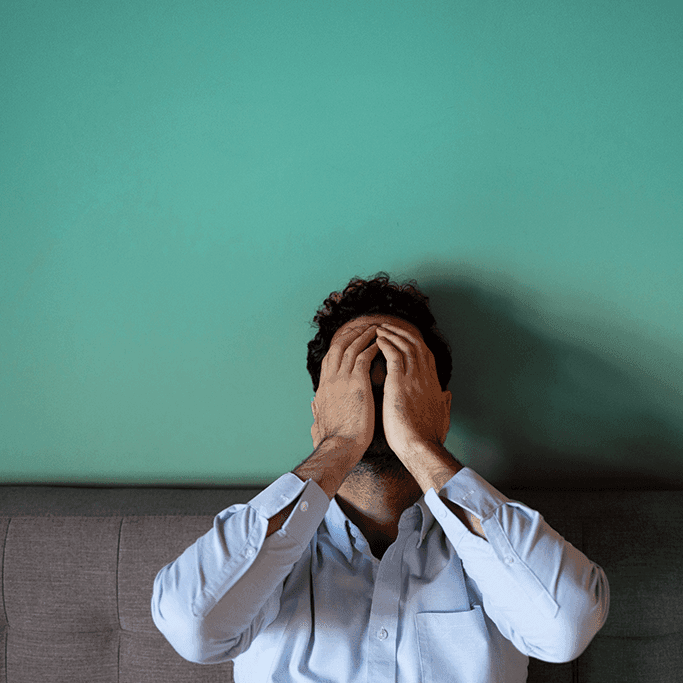
Key Differences Between Panic Attacks and Anxiety Attacks
e are some interesting differences between anxiety attack symptoms and panic disorder symptoms, highlighting their complexities: Categories Panic Attacks Anxiety Attacks Physical Symptoms Panic attacks can show symptoms such as chest pain, excessive sweating, irregular heartbeat, unable to breath, etc. These physical symptoms of panic attacks can be intense for a few with this condition, leading them to believe that they’re having a heart attack. This leads to fear that this symptom may reoccur. Anxiety attacks are related to worry and apprehension. The biggest difference between these two conditions is that anxiety attacks can take place slowly, without these sudden and intense physical symptoms Duration and Onset Panic attacks happen within 10 - 30 minutes. Anxiety attacks are subtle and can creep up on individuals gradually. They can last for hours to days, leading to lingering stress. Triggers Panic attacks can take place without warning, making this a frightening experience as they are unpredictable and volatile. Anxiety attacks are usually triggered by specific people or situations. Examples can be - tight deadlines at work, big social events, talking in front of an audience, etc. Impact on Daily Life People with frequent panic attacks may develop a panic disorder or physical health issues. This could lead to an immediate impact on everyday life. With anxiety attacks, symptoms such as experiencing extreme stress, lack of proper sleep, weight gain/loss, and difficulty concentrating will lead to a gradual but definite impact on everyday life. Prevalence In India, panic disorder, characterised by recurrent unexpected panic attacks, has a lifetime prevalence of 1.2% to 4.3%. This condition often goes underreported due to stigma and lack of awareness. In India, anxiety disorders are prevalent, affecting approximately 3.3% of the population, which translates to about 44.9 million individuals (Lancet Psychiatry, 2020). Treatment Case studies have shown that first-line treatments such as Cognitive-behavioural therapy (CBT) are helpful for both conditions. Therapy and counselling are usually recommended for repeated panic attacks. Medication to calm the nerves or antidepressants might be prescribed by a medical expert depending on the severity of the anxiety attack, after ruling out other possibilities. F or F Response The automatic reaction of Fight-or-Flight often prepares the body to deal with perceived danger, which may not even be there. This directly leads to increased heart rate, breathlessness, and other related symptoms. This is heightened in panic attacks. The Fight-or-Flight response is much more gradual in anxiety attacks. In short, Panic attacks are sudden, intense waves of fear that peak in minutes, while anxiety is a longer-lasting, low-level worry. Both can trigger similar physical and emotional reactions, even if they feel different. Let us understand panic attack vs anxiety attack with the help of a real-life scenario: Panic Attack: Akila was giving a presentation when suddenly her heart raced, her hands trembled, and she felt dizzy. The fear hit without warning, leaving her frozen, convinced she was having a heart attack. After seeking help, her therapist taught her grounding techniques like the 5-4-3-2-1 method and guided her through CBT sessions. Over time, Akila learned to recognise early signs and manage sudden surges of fear. With therapy and supportive care, her panic attacks became less intense and less frequent, and she regained confidence in public speaking and daily life. Anxiety Attack: Amit constantly worried about deadlines and social events. Days before a meeting, his mind raced, muscles tensed, and he couldn’t sleep. Unlike a sudden panic attack, the anxiety built slowly, affecting his focus and mood over time. Through CBT, meditation, and gradual exposure therapy, Amit learned to manage worry, break the cycle of avoidance, and adopt healthier routines. Support from his family and a counsellor helped him face stressful situations with calmness. Months later, Amit noticed less tension, better sleep, and improved concentration- showing how treatment can transform persistent anxiety into manageable daily challenges. The above stories highlight symptoms of anxiety and panic attacks, and how timely intervention and right understanding and support, symptoms of anxiety and panic attacks can be managed. Sukoon Suggests: Understanding the physical symptoms of anxiety and panic attacks is indeed helpful, but professional support can ease symptoms and improve daily life.
Living with Panic Attacks and Anxiety Attacks
"You don't have to control your thoughts. You just have to stop letting them control you." — Dan Millman, American personal development author Living with panic or anxiety attacks can be tough, but help and recovery are always possible. With the right support and medical care, you don’t have to face these challenges alone. When anxiety or panic disorder symptoms feel overwhelming, here are a few things that may bring you some relief: Build Knowledge: Learn about what you’re experiencing through mental health professionals, reliable websites, or books. Understanding your symptoms helps you feel more in control and manage them better day to day. Seek Help Early: The earlier you reach out, the easier it is to manage symptoms and prevent them from worsening. Talk to a trusted friend, therapist, or a specialised organisation- help is available and judgment-free. Practise Awareness: Notice your triggers and early warning signs. Journaling can help track patterns, thoughts, and feelings, and also highlight the positive moments that balance out stress. Develop a Routine: A steady, realistic routine supports both mental and physical health. Try activities like meditation, yoga, or gentle self-care practices. Even small changes- like cutting back on caffeine, nicotine, or screen time- can make a big difference. Set Realistic Goals: Plan your day with balance in mind. Setting achievable goals helps reduce overwhelm and builds confidence in managing stress, anxiety, and panic.
When to Seek Help?
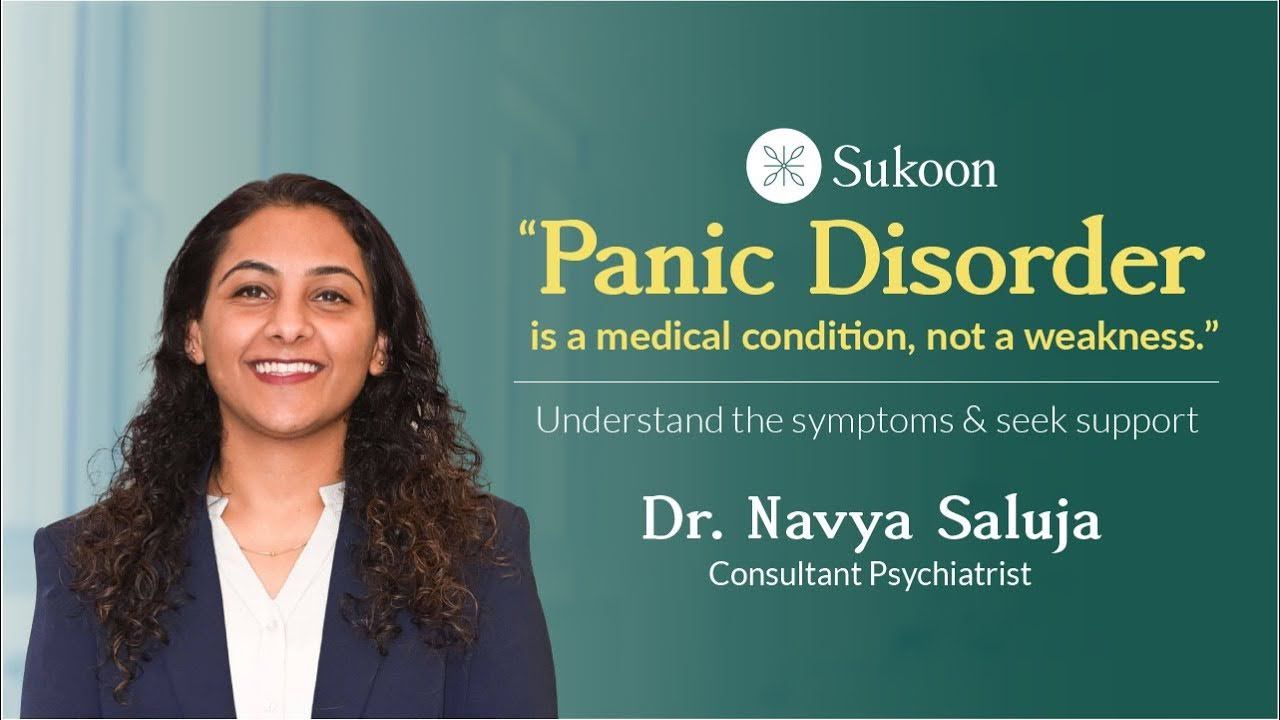
During a panic or anxiety attack, reaching out for help can feel overwhelming. The bright side is that connecting with a mental health expert is easier than you think. It’s private, confidential, and free of judgement. Sometimes, all it takes is picking up the phone to make that first call. Talking to a professional can be eye-opening and very helpful. Anxiety and panic attacks are serious- they can affect daily life and even lead to depression if not treated. Getting support early can make a big difference. Impact on Daily Life: Severe anxiety attack symptoms and panic disorder symptoms can make even simple tasks- like getting out of bed, cooking, or exercising- feel impossible. Persistent low mood, irritability, or lack of motivation is a sign to seek professional help. Frequency: If these episodes happen often or fear of recurrence dominates your life, it’s time to reach out. Feeling vulnerable and unsure how to ask for help is normal, but symptoms can worsen without support. Effect on Health: Anxiety attack symptoms can be intense for some people. A medical professional should check for intense signs like a racing heart, shortness of breath, dizziness, or nausea to rule out other conditions. Avoidance: Avoiding people, places, or situations due to fear can take over your life. Professional intervention can help regain control. Mental Health: Persistent stress, chronic worry, suicidal thoughts, or feelings of hopelessness require timely support. Impact on social life: Withdrawal, isolation, and strained relationships are signs that professional help is needed. Taking matters into one's own hands: Fear of judgment can make it hard for people struggling with addiction to seek help. It might feel easier to cope alone, sometimes using alcohol, substances, or other unhealthy habits. But relying on these often makes the problem worse over time. Women & Panic Disorder: Studies show women are 2.5 times more likely than men to experience panic disorder, influenced by hormonal, social, and trauma-related factors. Women may need tailored support for these challenges. Break The Silence Is it an Anxiety Attack or a Panic Attack? Watch this AMA with Dr. Navya Saluja to learn more.
Treatment for Anxiety Attacks & Panic Attacks in India
A good first step in managing the physical symptoms of anxiety or panic attacks is to see a psychiatrist. They can check for any underlying medical issues and guide you to the right support, whether that’s a psychologist, counsellor, or a reliable mental health organisation in India. If you feel unsure or hesitant about seeking help, starting with a doctor you already trust, like your family physician or a local clinic you’re familiar with, can make the early days of treatment feel less overwhelming. Many hospitals and mental health centres in India now offer both in-person and online consultations, so you can choose what feels most comfortable for you.
Understanding CBT and how it can help you feel better
The good news is that effective help is available for anxiety attacks or panic attacks. One of the most proven approaches is Cognitive-Behavioural Therapy (CBT). Usually delivered over 8–20 sessions, CBT helps rewire negative thoughts, manage anxiety, and develop practical coping skills. It teaches you to face feared situations step by step, rather than avoid them, and build long-term resilience. CBT is guided by trained therapists following evidence-based protocols, ensuring support every step of the way. In addition, psychiatrists and support groups can complement therapy- psychiatrists help manage panic disorder symptoms and provide treatment for anxiety attacks with medication if needed, while support groups offer empathy, encouragement, and shared understanding. Sukoon Suggests: Getting help early speeds recovery and leads to better outcomes, bringing back a sense of optimism and control.
What to Do When You’re Facing a Panic or Anxiety Attack?
Remind Yourself It's Temporary: Tell yourself, "This will pass." Panic peaks and then fades, every time. Slow Your Breathing: This helps your body reset. Relax Your Body: Sit down if you can. Drop your shoulders, unclench your jaw, loosen your hands, and release any tension. Don't Fight the Feelings: Imagine the sensations like waves, rising, peaking, and passing. Let them move through you. Check In Once It Passes: Sip some water, breathe steadily, and notice how your body feels now that the intensity has reduced. Reach Out if You Need To: A quick call or message to someone you trust can help you feel supported and grounded.
What is the 5-4-3-2-1 method?
The 5-4-3-2-1 method is a simple way to manage panic attack symptoms by bringing your focus back to the present. Here’s how it works: 5 things you can see – like a chair, clock, or plant 4 things you can touch – like your phone, floor, or shirt 3 things you can hear – like birds, a fan, or someone talking 2 things you can smell – like coffee or a scented candle 1 thing you can taste – like a sip of water When panic hits, your mind may feel like it’s racing. Using this method helps ground you in the present and regain a sense of control.
What are the other methods for treatment for anxiety attacks?
Practices like meditation, deep breathing, exercise, and having a supportive family can help ease mental overload. Adequate sleep, a balanced diet, and social connections are also important for maintaining good mental health. Applied Relaxation Therapy is another helpful approach, teaching systematic ways to relax the body and mind to manage stress, anxiety, and related conditions. Since treatment for anxiety attacks is not one-size-fits-all, a good doctor will offer regular sessions, monitor progress, and suggest alternatives if needed. Recovery is a personal journey- learning to understand yourself and cope with symptoms is more effective than trying to ignore or suppress them. Together, these efforts create a supportive environment for managing panic and anxiety attacks.
Cargivers Need Care Too
Supporting someone with anxiety or panic attacks takes patience, understanding, and the right guidance. We can't stress this enough, but professional help and support will surely make the journey easier for both you and your loved one. Be Patient and Understanding: Your loved one may feel overwhelmed, withdrawn, or irritable at times. Remember, it's not personal- it's part of what they’re going through. Staying calm and compassionate helps them feel safe and supported. Stay Informed: Learn about anxiety and panic attacks, their symptoms, and treatment options. The more you understand, the better you can support your loved one's journey. Offer Emotional Support: Listen without judgment, validate their feelings, and remind them that what they're experiencing is real- but also treatable. Sometimes, just knowing someone is there makes a huge difference. Support Daily Life: Encourage healthy routines, help with appointments or therapy sessions, and gently remind them to rest or take breaks when needed. Take Care of Yourself: Supporting someone with anxiety can be emotionally draining. Rest, reach out for help when needed, and consider therapy or support groups for yourself- your mental health matters too. Anxiety attack symptoms can create a sense of being trapped, overwhelmed, and out of control. With the right support and grounding strategies, these intense moments can become more manageable.Tips For Caregivers:
Hope Is Always Around
Seeking help for your own or a loved one's mental health is a sign of strength and care. At Sukoon, we help you gain relief by offering personalised therapy, expert guidance, and a supportive environment to help manage panic disorder symptoms while preserving your independence and confidence. Panic disorder is more common than many realise, so raising awareness and seeking help early is key. Take the time to choose a therapist or organisation that feels right for you. With Sukoon's support, anxiety disorders are manageable, and recovery is possible.
FAQs About The Difference Between Panic Attack & Anxiety Attack
Panic and anxiety attacks are intense emotional responses to stress or fear, but they show up differently. A panic attack is a sudden surge of fear or discomfort that peaks within minutes, often causing trembling, shortness of breath, chest pain, dizziness, or feeling disconnected. Anxiety attacks, on the other hand, build gradually in response to ongoing worry or stressful situations, often causing muscle tension, restlessness, irritability, and persistent nervousness. Both can be distressing, affect daily life, and require support, but understanding the differences helps in managing them effectively. Anxiety attacks occur when the brain perceives danger, even when there’s no immediate threat. The amygdala signals fear, triggering the body’s fight-or-flight response, while other brain areas like the prefrontal cortex and hippocampus try to regulate it. Factors such as past trauma, childhood experiences, ongoing life stressors, physical or mental health conditions, and substance use can increase the likelihood of anxiety attacks. Understanding these triggers and patterns can help people manage their responses and reduce the intensity of attacks. Anxiety attacks often feel like being overwhelmed by worry or tension about everyday situations such as work, exams, health, or relationships. Individuals may experience physical signs such as muscle tightness, a racing heart, or restlessness, and emotional signs like irritability or persistent unease. Anxiety attacks can build gradually and linger, creating long-term stress that affects sleep, focus, and overall wellbeing. Panic attacks are sudden, intense waves of fear that reach a peak in minutes. Unlike anxiety attacks, panic attacks often happen without warning and can be mistaken for serious medical events, such as a heart attack or fainting. People may feel an urgent need to escape, a loss of control, or fear of dying. While both anxiety and panic attacks involve emotional and physical symptoms, panic attacks are abrupt and overwhelming, whereas anxiety attacks develop more slowly and are triggered by specific situations. In India, panic disorder- which involves recurrent, unexpected panic attacks- has a lifetime prevalence of 1.2% to 4.3%. Anxiety disorders, including Generalised Anxiety Disorder, Social Anxiety, Panic Disorder, and Phobias, affect approximately 3.3% of the population, translating to roughly 44.9 million individuals. Many cases go unreported due to stigma or lack of awareness, highlighting the need for education and early intervention. With professional help - especially if panic or anxiety attacks start to affect daily life. Signs include difficulty performing basic tasks, persistent low mood, irritability, lack of motivation, frequent episodes, avoidance of situations, or persistent stress and hopelessness. Severe symptoms of anxiety and panic attacks such as chest pain, shortness of breath, dizziness, or nausea also warrant medical evaluation to rule out other health conditions. Early support from a mental health professional can prevent worsening symptoms and improve long-term outcomes. Effective treatment options include therapy, medication, and support groups. Cognitive-Behavioural Therapy (CBT) is widely used to manage both anxiety and panic attacks, typically over 8-20 sessions. CBT helps individuals reframe negative thoughts, learn practical coping skills, and gradually face feared situations. Psychiatrists may prescribe medication to manage severe symptoms, while support groups provide empathy, encouragement, and a sense of shared understanding. Combining these approaches often leads to the best outcomes. Yes. Techniques like the 5-4-3-2-1 method can help during a panic attack by grounding your attention in the present. This involves identifying 5 things you see, 4 things you touch, 3 things you hear, 2 things you smell, and 1 thing you taste. Other practices include meditation, deep breathing, gentle exercise, journaling, maintaining a routine, and adopting a balanced diet and sleep schedule. These strategies help reduce mental overload and provide a sense of control. Maintaining a structured daily routine supports both mental and physical health, reduces stress, and helps prevent triggers from escalating. Journaling thoughts, identifying patterns, and tracking early warning signs of anxiety or panic can help people stay aware of their triggers and manage them proactively. Small lifestyle adjustments, like reducing caffeine or screen time, can also improve overall mental well-being. Caregivers provide essential support by being patient, understanding, and informed about symptoms of anxiety and panic attacks. Listening without judgment, offering emotional support, helping with daily routines, and encouraging professional care are key ways to assist loved ones. Equally important, caregivers need to care for their own mental health by seeking support, joining groups, or practising self-care to avoid burnout. Studies show women are 2.5 times more likely than men to experience panic disorder. Hormonal factors, socialisation, and a higher prevalence of trauma contribute to this difference. Women may need tailored support that addresses these unique biological, psychological, and social factors. Yes. With the right professional help, therapy, coping strategies, and support networks, anxiety and panic attacks are manageable. Early intervention, self-awareness, and understanding of symptoms can give individuals control, improve daily functioning, and restore confidence in their lives.
What is the difference between a panic attack and an anxiety attack?
What causes anxiety attacks?
How do anxiety attacks feel?
What is a panic attack, and how is it different?
How common are panic and anxiety attacks in India?
How to cope with anxiety and panic attacks?
What treatment options are available?
Are there simple coping strategies for panic attacks?
How can daily routines and awareness help?
What role do caregivers play?
Can women have different experiences with panic disorder?
Is recovery possible?





+91 8448156500

+91 1244265238


admissions@sukoonhealth.com

Menu