


Back
Cognitive Behavioural Therapy (CBT) for Mental Health in India
4 Min Read
Table of contents
- Key Takeaways
- What is Cognitive Behavioural Therapy (CBT)?
- What Contributes to Depression and How CBT Can Help
- Aaron Beck's Cognitive Triad: A Key Idea in CBT
- How CBT Fixes the Triad
- How Does Cognitive Behavioural Therapy (CBT) Work?
- Benefits of Cognitive Behavioural Therapy
- CBT’s Effectiveness for Mental Health Conditions
- CBT for Co-Occurring Conditions
- What to Expect During a CBT Session
- Aftercare: Keeping the Momentum Going
- Is CBT Right for You?
- Risks and Rewards of CBT
- Common Myths About CBT
- Questions To Ask Your Doctor:
- How to Help Someone with Depression
- Caregivers Need Care Too
- Am I at Risk?
- Hope Is Always Around
- FAQs for Cognitive Behavioural Therapy
- Bibliography
Table of contents
Key Takeaways 
Life's challenges can hit hard, especially when our own thoughts turn them into bigger battles. Stress, anxiety, or depression can amplify fear, silence hope, and make it harder to see the brighter side. Cognitive Behavioural Therapy (CBT) is one of the most common and extensively used forms of psychotherapy. It is a combination of two therapeutic approaches, known as cognitive therapy and behavioural therapy. In this blog, we’ll explore some of the key questions that often come up: What is Cognitive Behavioural Therapy (CBT)? How does CBT work? What conditions can CBT help treat? What are the benefits of CBT? How long does CBT take to show results? Is CBT right for everyone? Let’s explore CBT further with a real-life example: Nadhi, 29, worked as an event manager. The tasks that came with her role, client pitches, leading meetings, and speaking up, often left her feeling paralysed. What once excited her now filled her with dread. Her senior noticed the change. After a difficult presentation, he spoke gently: That conversation became a quiet turning point. With her seniors’ support, Nadhi began Cognitive Behavioural Therapy (CBT). In therapy, she started clearing her thoughts. When she said, “They think I’m not good enough,” her therapist asked softly, “Is that something you know or something you fear?” By using CBT techniques, like challenging unhelpful thoughts and taking small, manageable steps, Nadhi gradually learned to face her anxiety with greater patience, self-compassion, and confidence. Her journey shows how the right support, guidance, and CBT tools can transform fear into growth. Over time, Nadhi's learnings were: Her fears were often bigger in her mind than in reality. Many worries were based on assumptions, not facts. Practical tools and tips became her go-to coping mechanisms. With consistency, the benefits of CBT really added up. And most importantly, she realised it’s possible to live a fulfilling life with the right Cognitive Behavioural Therapy treatment. Through CBT, Nadhi slowly learned to face social situations with less fear. She realised many of her worries were just assumptions, not facts. Step by step, CBT equipped her to calm her mind and handle stress more clearly. With practice, her confidence grew, and speaking up felt a little easier each time. CBT didn’t just help her with social anxiety; it helped her see herself with more kindness. Sukoon Suggests: Anxiety feels strong in your mind and makes life harder. That's normal. CBT helps you see fears apart from facts so you can relax more. Begin clearing your thoughts with expert support. Let’s Talk CBT
“Nadhi, your work is excellent, but it feels like something is holding you back. What do you think it is?”
She lowered her voice and admitted, “I feel like everyone is watching… waiting for me to make a mistake.”

What is Cognitive Behavioural Therapy (CBT)?
First developed by Aaron Beck in the 1960s, CBT helps you see how your thoughts shape your feelings, actions, and even your body. With practical techniques, you can replace unhelpful thinking patterns with healthier ones. From depression to insomnia, CBT gives you tools to manage stress, anxiety, and daily challenges while building lasting resilience.
What Contributes to Depression and How CBT Can Help
Depressive disorders are common, affecting hundreds of millions of people worldwide. Many of the emotional challenges and unhelpful thought patterns that arise in daily life are the issues that CBT targets. Depression usually develops through a combination of factors: Biological: Neurotransmitter imbalances, hormonal changes, or a genetic predisposition can make someone more vulnerable. Environmental: Chronic stress, trauma, or major life disruptions can trigger or worsen symptoms. Psychological: Deep-seated negative beliefs and self-critical thinking patterns, often rooted in early experiences, can maintain or amplify depressive feelings. There isn’t a single cause or uniform path to depression; each person’s experience is unique. CBT works by focusing on the present moment, helping individuals identify and reshape harmful thought loops, reduce rumination, and develop healthier ways to respond to challenges. It provides practical tools to improve mood and coping without needing to resolve every past cause at once, making it a highly effective approach for long-term mental well-being.
Aaron Beck's Cognitive Triad: A Key Idea in CBT
Aaron T. Beck was a doctor who helped create Cognitive Behavioural Therapy (CBT) in the 1960s. He came up with the cognitive triad to explain why people get depressed. This idea shows how three types of negative thoughts connect and make depression worse. These thoughts come automatically, like without thinking, and they make people feel stuck in sadness and helplessness. Negative View of Yourself: You think you're bad, useless, or not good enough. For example, "I'm a failure and don't deserve nice things." This hurts how you feel about yourself and makes you pull away from others. Negative View of the World: You see life as mean, hard, or unfair. For example, "Everything is against me, and nothing works out." This makes normal problems feel too big to handle. Negative View of the Future: You believe things will stay bad forever. For example, "I'll never get better; my life is ruined." This kills hope and stops you from trying new things. Beck noticed that depressed people use these thoughts like a filter. Good or okay events get twisted to seem bad (like ignoring a kind word because you think it's fake). The thoughts feel true because they happen so fast. Over time, they make you feel worse, which makes the thoughts stronger. This leads to hiding away or doing things that hurt you more. The Three Parts of the Cognitive Triad
How the Triad Causes Depression
How CBT Fixes the Triad
CBT works right on these thoughts with easy steps: Spot the Thoughts: Write them down when they hit. Question Them: Ask, "Is there proof this is true?" or "What else could be real?" Try New Actions: Do small tests, like talking to a friend, to see if things go better. Changing these thoughts helps you see life more fairly and feel less depressed. Studies show CBT works well and helps for a long time. If this sounds like you, talk to a therapist to make it fit your life.

How Does Cognitive Behavioural Therapy (CBT) Work?
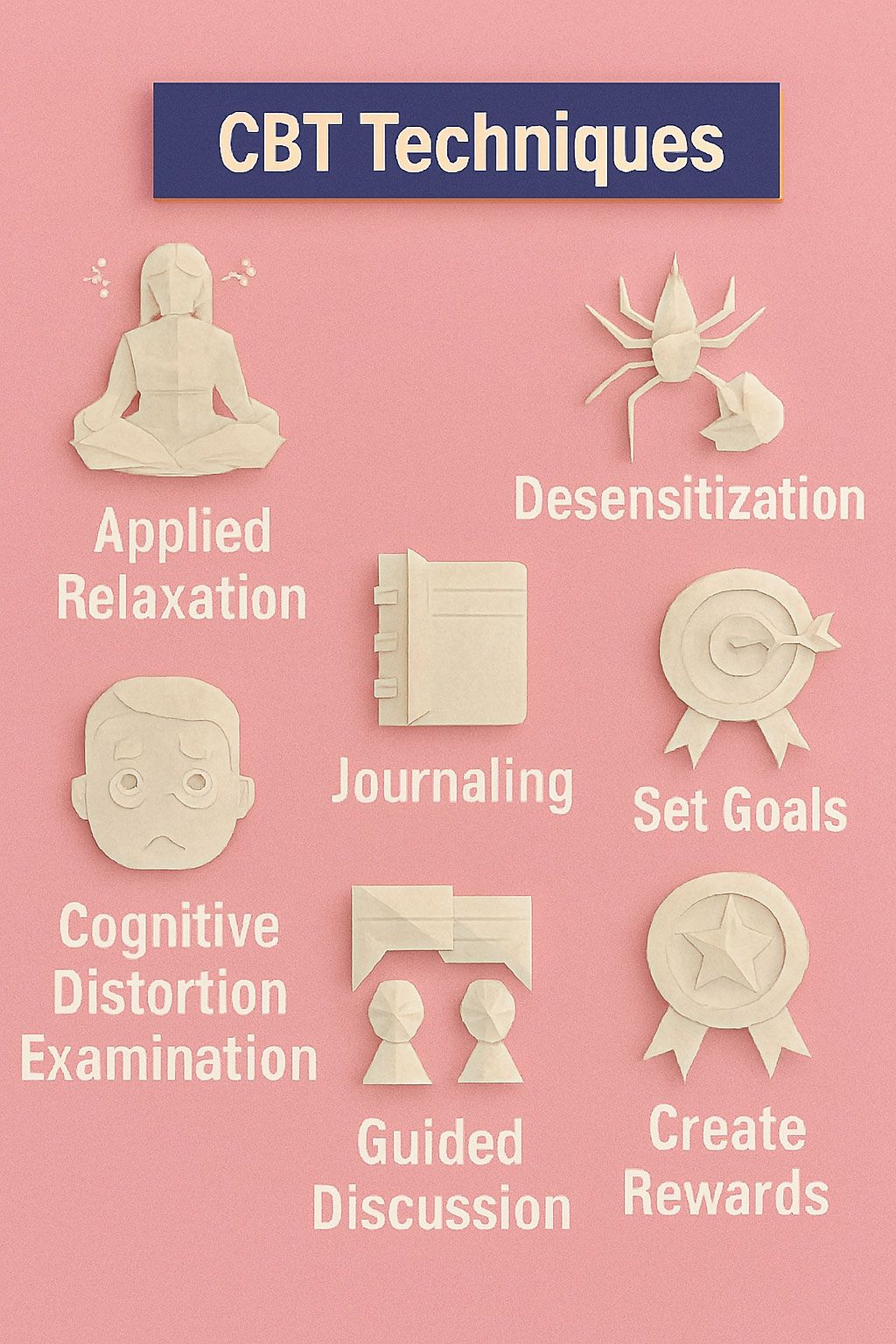
CBT is a structured, evidence-based therapy that focuses on the link between cognition, emotion, and behaviour. It is a practical way to care for your mind. It helps you notice how your thoughts and actions influence your feelings, challenge automatic negative thoughts, and build healthier coping strategies. Automatic thoughts are quick, uninvited ideas that pop into your mind without much effort. They often feel true, but they are based on habits, not facts. For example, if you make a small mistake at work, an automatic thought might be, "I'm a total failure." These thoughts happen fast and can lead to bad feelings like sadness or worry. CBT puts a big focus on thinking patterns: the repeated ways your mind processes events. These patterns act like a filter: they colour how you see yourself, others, and the world. Negative patterns, like always expecting the worst or blaming yourself for everything, keep you stuck. By spotting these patterns, CBT shows you how they start a chain reaction. A negative thought pattern triggers strong emotions, which then push you toward unhelpful behaviours and actions. For instance: Thinking Pattern: You think, "No one likes me because I'm boring" (automatic and negative). Behaviour: This makes you feel lonely and anxious, so you avoid social events. Action: You stay home alone, which reinforces the thought and makes the pattern stronger. Cognitive Behavioural Therapy has become the most widely practised and heavily researched psychotherapy in the world for a reason. While the treatment approach may differ, the ideology behind CBT is always the same. “What we think, how we behave, and how other people make us feel are all closely related, and they all affect our well-being.” For anxiety, depression, or stress, CBT uses tools like cognitive restructuring and exposure practice to reduce symptoms and restore balance. With regular practice, these techniques strengthen emotional regulation, resilience, and a kinder, more self-compassionate perspective. Here are some key CBT techniques you might encounter: Cognitive Restructuring (Reframing): You learn to identify negative or irrational thoughts, challenge their accuracy, and replace them with balanced, constructive ones. Behavioural Activation: This encourages you to engage in activities you’ve been avoiding, especially those that bring joy or a sense of accomplishment, helping break the cycle of depression. Exposure Therapy: You gradually face feared situations or thoughts in a controlled way, reducing anxiety and avoidance. Problem-Solving Skills Training: You develop structured approaches to manage stressful or challenging situations effectively. Mindfulness and Relaxation Techniques: These help you stay present, observe your thoughts and feelings without judgment, and reduce stress or anxiety. Sukoon Suggests: Stress, anxiety, and depression aren't weaknesses. They're signals you need support. Build compassionate tools to reshape your thoughts. Learn to guide your thoughts with compassion and understanding. CBT helps you notice unhelpful thoughts and behaviours and replace them with healthier patterns. Using CBT for insomnia, depression, and social anxiety, therapists guide you with practical strategies like journaling, reframing, and exposure exercises. These personalised techniques help reduce stress, manage symptoms, and build confidence, bringing balance and clarity to everyday life. The Cognitive Behavioural Therapy process not only helps manage anxiety but also tracks progress and effectiveness. Effectiveness can be measured through tailored techniques, such as CBT for anxiety, CBT for bipolar disorder, and other specialised approaches. These methods can reduce stress, strengthen resilience, and restore balance in daily life. Cognitive distortions Negative Thoughts & Behaviour Neutral Thoughts & Behaviour Thought: "If I make a mistake at work, I’ll never get over it." Behaviour: Avoiding tasks out of fear of failure. Thought: “Mistakes happen to everyone, and I can learn from them." Behaviour: Trying again with a new approach instead of avoiding tasks. Overgeneralization Thought: "I always fail at everything I try." Behaviour: Not attempting new challenges due to past setbacks. Thought: "This didn’t work out, but that doesn’t mean I’ll always fail." Behaviour: Trying again or seeking new strategies. Self Blame Thought: "If my friend is upset, it must be because of something I said or did." Behaviour: Apologising excessively or feeling guilty without reason. Thought: "I am doing my best, and that is enough." Behaviour: Practising self-compassion instead of harsh self-criticism. Minimisation Thought: “Anyone could have done what I did; it’s not a big deal." Behaviour: Ignoring or dismissing personal successes. Thought: "I put in effort and did well; I should pat myself on the back." Behaviour: Recognising and celebrating accomplishments, even small ones.Understanding Automatic Thoughts and Thinking Patterns

Benefits of Cognitive Behavioural Therapy
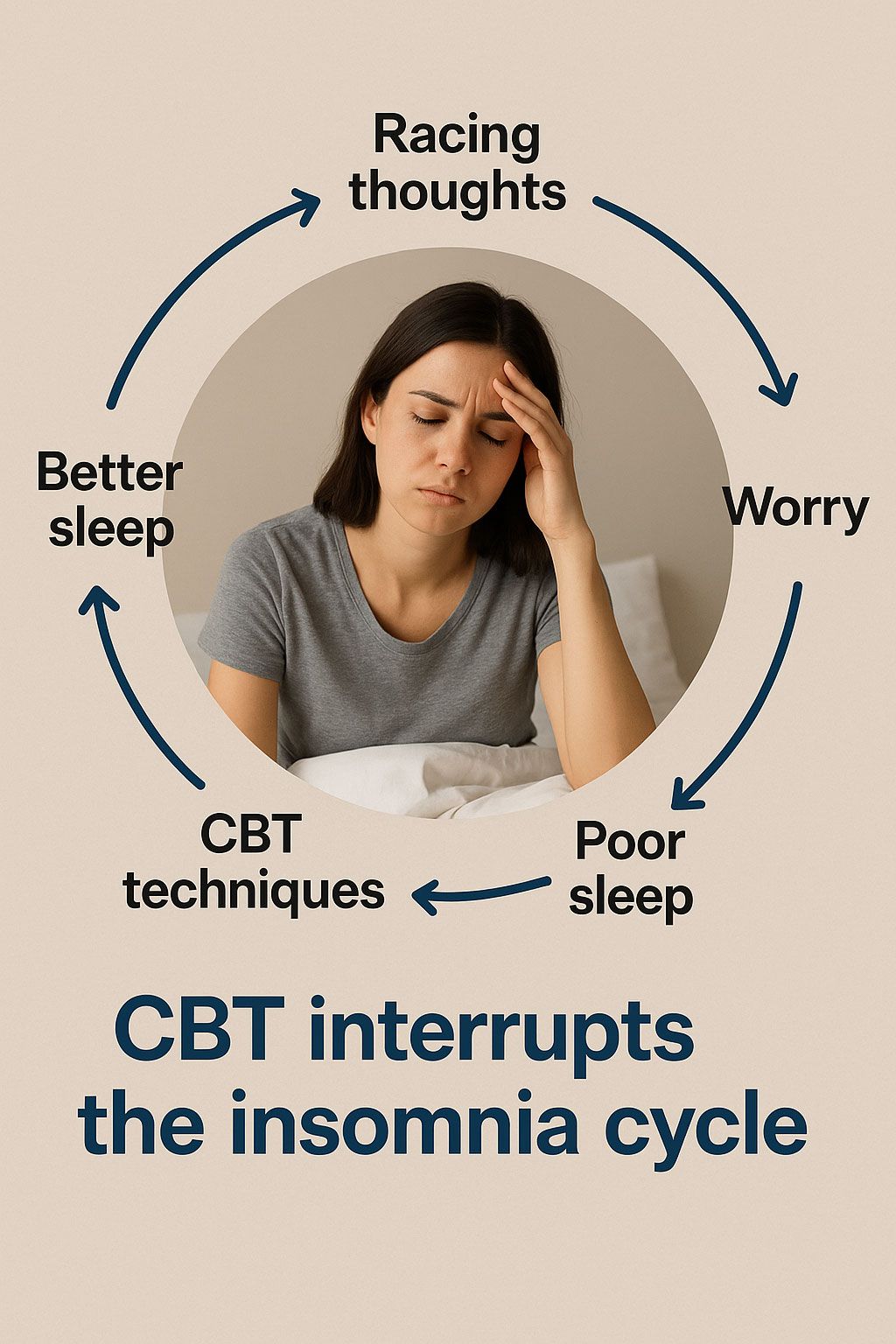
Cognitive Behavioural Therapy (CBT) helps identify and change unhelpful thought patterns, promoting healthier thinking and behaviour. It can reduce stress, manage emotions, and build resilience for lasting mental well-being. The first and most important step in CBT is finding the right therapist. Their guidance helps identify unhelpful thought patterns, manage emotions, reduce stress, and build lasting resilience. Mental health organisations, hospitals, counselling centres, and licensed therapists can guide you through the Cognitive Behavioural Therapy process, offering support and personalised treatment plans. With 83% of clients seeing improved mental health within two weeks, they provide strategies, resources, and holistic approaches to help you understand what Cognitive Behavioural Therapy is and how it can transform your life. Research shows that consistent Cognitive Behavioural Therapy (CBT) can help you reduce social anxiety, stabilise moods, ease depression, and improve your overall quality of life, often within 20 sessions. Here are 10 ways CBT can support mental well-being: Identifies and changes negative thought patterns Improves emotional regulation Provides practical coping strategies and CBT techniques Enhances self-awareness Reduces symptoms of mental health conditions Promotes long-term positive change Strengthens problem-solving skills Supports healthier relationships Applicable to daily life Backed by evidence-based research With CBT, you can take small steps that lead to lasting change, helping you feel more balanced, confident, and in control. Sukoon Suggests: CBT connects thoughts, feelings, and behaviours. It’s like rewiring how your mind responds. Experience this evidence-based therapy with Sukoon.
CBT’s Effectiveness for Mental Health Conditions
If you’ve felt stuck when treatments haven’t worked, there is hope: Cognitive Behavioural Therapy for social anxiety can help you see things differently.
CBT for Co-Occurring Conditions
Many people with depression or anxiety also experience overlapping conditions, such as PTSD, OCD, substance use, or chronic pain, that can amplify distress. CBT addresses these shared cognitive and behavioural patterns, offering a unified approach to recovery. By recognising how one issue can trigger or maintain another, CBT empowers the individual to interrupt the cycle, build emotional resilience, and reclaim a sense of balance, one skill, one insight, and one day at a time.
What to Expect During a CBT Session
Cognitive Behavioural Therapy follows clear steps that guide the conversation and help build practical skills over time. It is structured but still feels supportive and easy to follow. A session is simple and practical. Each session begins with a simple explanation of how thoughts, emotions, and behaviours influence one another. This creates a supportive foundation for the work ahead. Clear, meaningful goals are set to guide the direction of therapy. These goals offer a sense of purpose and allow progress to unfold steadily. An agenda is agreed upon at the start, so the conversation stays focused and predictable. This structure often makes the session feel calmer and easier to follow. Any practice completed between sessions is gently reviewed to understand what felt manageable and what was challenging. This reflection strengthens learning and builds insight. Unhelpful or repetitive thought patterns are observed with curiosity rather than judgment. Noticing these patterns is often the first step toward change. These thoughts are explored to see whether they are accurate or helpful. Gradually, more balanced and compassionate alternatives begin to take shape. Small, meaningful actions are introduced to support motivation and emotional balance. Even small steps can create a sense of movement and hope. Real-life challenges are worked through using simple, structured techniques. This approach makes problems feel less overwhelming and more manageable. Breathing or grounding exercises may be added to help reduce tension and create a sense of calm. These practices become gentle tools for moments of stress. Toward the end of therapy, a plan is created to continue using these skills independently. This helps maintain stability and confidence beyond the sessions. By the end of therapy, the aim is to feel more in control, recognise patterns early, and continue using these tools confidently in daily life. Orientation to how CBT works
Setting goals
Deciding the session agenda
Reviewing homework or practice tasks
Identifying unhelpful thoughts
Challenging and reframing those thoughts
Behavioural activation through small helpful actions
Problem-solving for real-life issues
Relaxation exercises
Planning how to maintain progress
Aftercare: Keeping the Momentum Going
CBT isn't a quick fix. Aftercare ensures gains last. Post-therapy, create a plan with: Booster sessions every 3-6 months. Daily practices (journaling, mindfulness apps). Relapse signs to watch (e.g., returning negative thoughts). Support networks or apps like MoodKit. Research shows this greatly reduces the risk of relapse. Remember Nadhi from the earlier story? Her steady practice turned simple tools into lasting habits, and with consistency. Sukoon Suggests: CBT suits all ages and needs. It reshapes emotional hurdles into pathways for real, lasting inner strength and calm. Talk to an expert to know if CBT aligns with your needs.
Is CBT Right for You?
You might wonder: What is the best age for CBT? Or how long does CBT therapy last? The truth is, it depends on your needs, therapy intensity, and your therapist’s guidance. Research shows that CBT, along with other supportive modalities when required, works well for many conditions. When used this way, its structured tools help reduce stress, improve coping, and support long-term emotional balance. CBT is effective for many psychiatric disorders, but the safest way to know if it’s right for you is to speak with a professional who can guide you.
Risks and Rewards of CBT
CBT helps many people change unhelpful thoughts and behaviours. It works well when a person has good insight and strong verbal and intellectual abilities. Still, it has a few risks and many rewards to keep in mind. While CBT is highly effective, there are some rewards and risks to consider: Helps understand patterns that cause stress or anxiety. Builds problem-solving skills that last long term. Works well for people who can reflect on their thoughts and explain their feelings clearly. Clear structure makes it easier to track progress. Teaches practical tools that can be used in daily life. It can bring up strong emotions that feel uncomfortable. Needs a therapist who matches your communication style. Regular sessions take time and money. Many people ask how much CBT costs in India or how long CBT lasts. Standard CBT sometimes needs changes for children or very specific fears. This is why CBT is not suitable for everyone. Group CBT can help some people but may increase anxiety for others. Even with these challenges, CBT and its techniques can guide people toward better coping, lower stress, and healthier thinking patterns. It remains one of the most reliable tools for emotional and mental growth. Sukoon Suggests: Write to your "healed" self in 6 months: What advice would you give now? Read it often to foster hope and proactive problem-solving. Want personalised tips? Consult a therapist. Rewards
Risks
Common Myths About CBT
Myth 1: CBT is not for severe mental health conditions. Myth 2: CBT can “re-traumatise” patients. Myth 3: CBT won’t work remotely or isn’t flexible. Myth 4: There isn’t enough evidence for CBT. Myth 5: Dropout rates are too high. Myth 6: CBT only works at certain ages. Myth 7: Antidepressants are addictive. Answer: No, they’re not habit-forming like opioids; they help restore balance to brain chemistry.
Answer: Research shows Cognitive Behavioural Therapy for insomnia and Cognitive Behavioural Therapy for bipolar disorder can be highly effective, even for complex disorders.
Answer: While it can bring up uncomfortable feelings, an empathetic therapist helps you process them gently. Journaling is one of the many Cognitive Behavioural Therapy examples that increase self-awareness.
Answer: Remote CBT is effective for depression, anxiety, and more. Video calls, live chat, and structured sessions make it adaptable to your schedule.
Answer: CBT is evidence-based, widely researched, and effective for anxiety, depression, eating disorders, and substance misuse.
Answer: Early dropout happens, but understanding the Cognitive Behavioural Therapy process improves engagement and success.
Answer: Types of Cognitive Behavioural Therapy are flexible and adaptable across all life stages, depending on readiness, not age.
Questions To Ask Your Doctor:
Starting treatment, whether medication, CBT, or both, can feel overwhelming, and it’s natural to have questions. Preparing a few key ones can help you feel more informed and confident about your care. Ask your doctor: What side effects should I watch for, and how long until I feel the benefits? How does this pair with my CBT? Are there alternatives if this doesn’t suit me? Open, honest dialogue builds trust and ensures your treatment plan is the best fit for your needs. Sukoon Suggests: Whether it’s sleepless nights, phobias, or OCD. CBT offers powerful tools to rebuild healthier patterns. Experience how CBT can reshape your well-being.
How to Help Someone with Depression
Supporting someone with depression can feel daunting; you may worry about saying the wrong thing or not doing enough. Yet, what matters most isn’t perfect advice but genuine presence. By listening with compassion, encouraging small steps, and offering steady support, you can make a real difference in their recovery journey. Let them speak openly without rushing to solve their problems. Respond with empathy, say, “That sounds really tough,” to show you understand and care. Depression can make even simple tasks feel overwhelming. Invite them for a short walk or a shared meal. Gentle, achievable actions help rebuild motivation and hope. Assist with daily responsibilities like cooking, running errands, or giving a ride to therapy. These gestures ease their burden and remind them they’re not alone. Comments like “Snap out of it” or “Others have it worse” can unintentionally invalidate their pain. Instead, offer reassurance and patience. Learn more through trusted sources such as NAMI.org or local mental health resources. Understanding depression equips you to respond more effectively and compassionately. Your empathy, consistency, and willingness to learn, paired with their ongoing therapy or CBT, can nurture genuine recovery. Sometimes, your quiet presence is the strongest medicine of all.1. Listen without fixing.
2. Encourage small wins.
3. Offer practical support.
4. Avoid dismissive phrases.
5. Educate yourself.

Caregivers Need Care Too
Being a caregiver is rewarding, but it can also be exhausting. Taking care of others is important, but your well-being matters just as much. Tips to Care for Yourself: Stay Connected: Share your feelings with friends, family, or support groups. Mind Your Body: Eat well, move, and rest when possible. Seek Support: Learn how CBT can help reduce stress and build resilience with guidance from therapists and mental health resources. Nurturing yourself allows you to care for others more effectively.
Am I at Risk?
Not everyone faces the same risk of developing depression; genetics accounts for roughly 40-50% of susceptibility when a parent is affected. But biology is only part of the picture. Other key risk factors include: Strong, supportive relationships and steady daily routines can buffer against these risks. Practices like CBT (Cognitive Behavioural Therapy) remain effective across backgrounds, helping you recognise early warning signs and strengthen resilience through tools like self-compassion exercises. In short, awareness isn’t about fear; it’s about building the foundations for prevention and recovery.
1. Early trauma or emotional abuse.
2. Chronic illness or prolonged stress.
3. Social isolation or major life transitions.
4. Being female, rates are nearly twice as high, according to the WHO.Protective Factors
Hope Is Always Around
Cognitive Behavioural Therapy for depression isn’t only about solving problems, it’s about helping you rediscover your strengths and guiding you toward lasting confidence. If emotional struggles have been weighing you down, CBT can support you in moving toward a life with less fear, guilt, or sadness. At Sukoon, you’ll find expert care that blends evidence-based therapy with practical techniques, creating space for real recovery and personal growth. By exploring the Cognitive Behavioural Therapy process, you’ll learn how CBT work for anxiety and how CBT can help reduce stress, guiding you toward lasting change.
FAQs for Cognitive Behavioural Therapy
Cognitive Behavioural Therapy (CBT) is a structured, evidence-based approach that helps you notice how your thoughts, emotions, and behaviours are connected. It teaches you practical skills to replace unhelpful patterns with healthier ways of thinking and acting. Over time, you learn that changing how you think can shift how you feel and behave. This balance makes recovery more sustainable and empowering. When people ask ‘what is cognitive behavioural therapy’, the simplest answer is, it’s a process that helps you take charge of your mind, one thought at a time. CBT for anxiety helps you identify triggers, challenge distorted thoughts, and practise healthier responses. You learn to respond to stress calmly instead of reacting automatically to fear or worry. Therapists often use gradual exposure and thought restructuring to help reduce anxious patterns. These are core CBT techniques that train the brain to respond with clarity and confidence. The more you practise these, the more natural and calm you feel, even in situations that once felt overwhelming. Examples include cognitive restructuring, exposure therapy, and mindfulness exercises. These help you address negative thoughts, gradually face fears, and build coping skills. For instance, someone might use journaling to track thoughts or practice deep breathing before stressful moments. These small, consistent actions are cognitive behavioural therapy examples that strengthen emotional control. Over time, you start noticing that your reactions become less automatic and more mindful. CBT provides techniques to manage overwhelming emotions and prevent stress from spiralling. By practising these skills, you can feel more in control and balanced in your daily life. Stress often comes from patterns of overthinking, which CBT helps you identify and reshape. Through guided reflection, you replace self-criticism with problem-solving. Many people find that understanding the cognitive behavioural therapy process helps them stay grounded during life’s unpredictable moments. Some CBT exercises, like journaling or thought tracking, can be practised independently. However, you gain the most benefit when guided by a trained therapist. Self-practice builds awareness, but therapy provides the structure and accountability to deepen progress. Therapists can also introduce advanced cognitive behavioural therapy techniques that are difficult to apply alone. Professional guidance often yields the best results. Results often appear within 6–20 sessions, depending on your condition and commitment. Regular practice of CBT techniques helps you see progress faster. Progress depends on how often you apply what you learn outside of sessions. Some individuals notice small emotional shifts within weeks, while others experience a gradual transformation. With consistent effort, cognitive behavioural therapy for depression or anxiety can lead to lasting improvements in mood and thinking. Sessions are usually 45–60 minutes, once or twice a week, for several weeks or months. Your therapist can adjust the length based on your needs and goals. Short-term CBT often focuses on specific issues, while long-term work addresses deeper patterns. Some people continue maintenance sessions to reinforce progress. Understanding your cognitive behavioural therapy process with your therapist can help set realistic expectations for duration and outcomes. CBT for insomnia teaches you strategies like sleep scheduling, relaxation, and stimulus control. Using these techniques, you can improve sleep quality without relying on medication. Therapists help you identify thought patterns that disrupt rest, such as worrying before bed. Gradual changes to bedtime routines make a big difference over time. Cognitive behavioural therapy for insomnia is one of the most effective long-term solutions for restoring healthy sleep cycles. It focuses on identifying negative thoughts, practising positive behaviours, and engaging in enjoyable activities. With consistent practice, you can reduce depressive symptoms and regain emotional balance. Sessions often explore how thinking traps fuel hopelessness and how to break free from them. Gradually, you replace avoidance with small, rewarding actions that build momentum. Many people describe cognitive behavioural therapy for depression as learning to rebuild hope through daily effort.1. What is Cognitive Behavioural Therapy?
2. How does CBT work for anxiety?
3. What are Cognitive Behavioural Therapy examples?
4. How can CBT help reduce stress?
6. Can you perform CBT on yourself?
7. How long does it take Cognitive Behavioural Therapy to work?
8. How long does CBT therapy last?
9. Cognitive Behavioural Therapy for insomnia: how does it help you?
10. Cognitive Behavioural Therapy for depression: what should you expect?





+91 8448156500

+91 1244265238


admissions@sukoonhealth.com

Menu