


Back
Body Dysmorphic Disorder: Spotting the Signs and Finding Support in India
15 Min Read
Table of contents
- Key Takeaways
- Let’s Talk BDD
- What is Body Dysmorphic Disorder?
- Differentiation from General Body Image Concerns
- Symptoms of Body Dysmorphic Disorder
- Comparison of BDD Symptoms in Men and Women
- Causes of Body Dysmorphic Disorder?
- The Impact of Body Dysmorphic Disorder
- Types Of Body Dysmorphic Disorder
- How is Body Dysmorphic Disorder Diagnosed?
- How is BDD Different from Other Mental Health Conditions?
- Treatment Options for BDD in India
- Family and Support System
- Barriers to Body Dysmorphic Disorder Treatment
- Seeking Professional Help for Body Dysmorphic Disorder
- Holistic Care for BDD
- Aftercare and Ongoing Support for BDD
- Caregivers Need Care Too
- Hope Is Always Around
- FAQs
Table of contents
Key Takeaways 
Body Dysmorphic Disorder – Overview, Causes and Treatment in India Frequent fixation on specific aspects of appearance and noticing flaws that feel overwhelming is a common experience. Body Dysmorphic Disorder (BDD) is a mental health condition where individuals may obsess over perceived imperfections that are minor or barely noticeable to others. Understanding BDD can help individuals approach themselves with patience and kindness, fostering self-awareness and compassion. Who Does It Affect? Causes & Risk Factors A Few Common Signs and Symptoms Frequently checking mirrors or avoiding them altogether Picking at the skin or grooming excessively Seeking constant reassurance Feeling anxious, self-conscious, or withdrawn Diagnosis & Treatment Psychotherapy, especially Cognitive Behavioural Therapy (CBT), to challenge unhelpful thoughts and reduce repetitive behaviours. Medication, such as SSRIs, in certain cases to ease obsessive thoughts and anxiety. Lifestyle strategies, mindfulness, and support from family or groups. Reach Out for Support What Is Body Dysmorphic Disorder?
BDD can affect anyone, regardless of age or gender. It often emerges in adolescence or early adulthood and can impact daily life, relationships, and self-esteem.
The cause of Body Dysmorphic Disorder may include genetics, past experiences like bullying or critical comments, and pressures from the media or cultural beauty standards.
Body Dysmorphic Disorder symptoms may include, but are not restricted to:
Body Dysmorphic Disorder treatment can help identify the root causes of these feelings and guide individuals toward acceptance and compassion for their bodies. Approaches include:
Body Dysmorphic Disorder is a mental health condition that a psychiatrist diagnoses after a complete evaluation of history and symptoms. With therapy and the right guidance from mental health experts, Body Dysmorphic Disorder can be treated. Learning what Body Dysmorphic Disorder is and seeking support can be a brave step toward feeling more confident, calm, and at ease.
Let’s Talk BDD
For those diagnosed with Body Dysmorphic Disorder (BDD), everyday activities like looking in the mirror can feel overwhelming. One may notice flaws others don’t see and feel stuck in those thoughts. Checking mirrors often, picking at the skin, or feeling anxious and withdrawn are common signs. It can significantly impact daily life, but with the right help and support, things can improve. This blog explores some of the common questions people often ask: What is Body Dysmorphic Disorder (BDD)? What are the signs and symptoms of BDD? What causes BDD? How to treat Body Dysmorphic Disorder (BDD)? How to help someone with Body Dysmorphic Disorder? What is the best treatment for Body Dysmorphic Disorder? Here’s a real story of someone’s journey through this experience: SAMAIRA’S STORY Meet Samaira, an 18-year-old college student. Each morning, a wave of anxiety and self-doubt greets her as she stands before the mirror. Hours slip by as she studies her reflection, seeing flaws that feel magnified and a body that seems “off.” Even kind words from others barely reach Samaira. Her mother’s gentle voice offers comfort, yet her thoughts keep her caught in a quiet, relentless loop. She avoids meeting friends, skips college, and even hesitates to join video calls. Even when her mother calls, Samaira freezes. “I… I don’t think I can turn on the camera today,” she whispers. Her mother’s voice is gentle. “It’s okay, Samaira. I just want to see you, not judge you.” Samaira shakes her head, embarrassed, but inside, a small spark of relief flickers. What Samaira wasn’t able to notice were subtle symptoms of Body Dysmorphic Disorder. When her mother got her to seek professional help, Samaira was able to work on her self-esteem, which slowly reflected in her studies and how she began to see life.
What is Body Dysmorphic Disorder?
Body Dysmorphic Disorder (BDD) is a mental health condition defined in the DSM-5-TR as “a preoccupation with a perceived defect or flaw in one’s physical appearance when, in fact, they appear normal.” It often begins quietly in adolescence and can go unnoticed for years, yet it affects at least 2% of the population, touching millions of lives worldwide. Studies in India show a prevalence of 2.6% among school students in Manipur and between 4.5% to 11% in dermatology outpatient settings - reminding us that Body Dysmorphic Disorder is not rare, just often rarely talked about. Sukoon Suggests: If you notice BDD symptoms in yourself, professional help is essential. A proper diagnosis enables effective treatment, while self-diagnosis can be harmful to your health. Seeking guidance helps you feel supported and less lonely. Reach out to Sukoon’s specialists to learn more. Definition:
Differentiation from General Body Image Concerns
Living with Body Dysmorphic Disorder (BDD) can feel like being trapped in a cycle of self-criticism. What may seem like a minor detail to others can appear overwhelming and distressing to the person experiencing it. These constant worries often create a heavy emotional burden, leading to anxiety, withdrawal, and a sense of being disconnected from daily life. Cultural pressures, societal expectations, and social perception can make coping even harder - but these struggles are not the individual’s fault. At times, frustration about appearance - such as a pimple, blemish, or desire to lose weight is normal and usually passes. But if these concerns become constant, overwhelming, and difficult to control, it may indicate the presence of BDD. 
Symptoms of Body Dysmorphic Disorder
Extreme Focus: With BDD, individuals may develop an obsessive focus on perceived flaws, spending hours scrutinising their reflection. This distorted self-perception can interfere with daily life, making even small tasks feel difficult. Perception: People with BDD often focus on parts of their body they think are flawed, even if others don’t notice. These thoughts can feel strong and never-ending, affecting how they see their body. They may spend a lot of time worrying and comparing themselves, making everyday life harder. Impairment: BDD can affect work, school, relationships, and overall emotional well-being. In severe cases, it can also increase the risk of suicidal thoughts. Research shows that people with BDD have a 45 times higher risk of suicide compared to the general population. In India, studies indicate that about 5.2% of orthodontic outpatients screened positive for BDD, highlighting how common these hidden struggles are. Repetitive Behaviours: People with BDD often engage in behaviours like frequent mirror-checking, skin-picking, and seeking constant reassurance. Instead of reducing stress, these actions usually increase anxiety and make distress worse over time. Recognising these patterns is the first step toward understanding the mind’s response and breaking the cycle. Body Dysmorphia Therapy helps manage obsessive thoughts, reduce repetitive behaviours, and build healthier coping strategies. With the right care and support, confidence, peace, and control can gradually be restored, and help is within reach.
Comparison of BDD Symptoms in Men and Women
Here’s how BDD symptoms can show up differently in men and women. Symptoms Men Women Excessive preoccupation - Obsessive thoughts and preoccupation take up a huge chunk of the day for a resident with body dysmorphic disorder. Men focus on height, body size, muscles, balding scalp, or genital appearance. Women focus on skin, facial features, weight, and body shape. Compulsive behaviours - repetitive behaviours and compulsive actions/thoughts are big symptoms of body dysmorphic disorder. Men may work out for longer hours at the gym, or even take supplements to enhance their physique. Women may spend a lot of time applying makeup or styling their clothes in a particular way to hide what they dislike about their faces and bodies. Social avoidance - Fear of judgment and being rejected due to their appearance is also a typical symptom of body dysmorphic disorder Men may isolate themselves as they do not feel physically fit or masculine. Women might avoid brightly lit rooms or public spaces, etc., where their flaws might be easily identifiable. Emotional distress - Emotional turmoil is huge in body dysmorphic disorder. Conditions such as anxiety, depression, low self-esteem, etc., are at an all-time high and can even lead to suicidal thoughts. For some men, the lack of results or the “failure” to change their bodies according to their perspective can result in anger, rage, and even violence. Women may feel insecure, depressed, hopeless, sad, or even guilty thinking about their physique.
Severity may include substance abuse.
Severity may include comorbid bulimia nervosa.
Causes of Body Dysmorphic Disorder?
BDD can affect anyone, but it most often begins in adolescence or early adulthood. Teenagers may face the greatest challenges. Research shows they have a higher lifetime suicide risk than adults and may develop fixed, distressing beliefs about their appearance. While studies suggest the condition is slightly more common in females, it can affect people of all genders. BDD doesn’t stem from a single cause - it often develops through a combination of surrounding influences. What may begin as small pressures can gradually grow into overwhelming self-doubt that feels difficult to escape. Remember, no matter age or identity, all experiences with BDD are valid and deserve support. We live in a world surrounded by heavily edited, curated images that push beauty standards almost no one can achieve. It’s natural to feel overwhelmed by society’s standards for appearance and behaviour. When BDD takes hold, many feel judged or “not enough.” The first step toward recovery is practising compassion, pausing self-criticism, and gently recognising worth beyond the mirror. Learning how to overcome body dysmorphic disorder begins with allowing value to be seen in who a person is, not just in outward appearance. Cultural standards vary across regions. In some places, fair skin, slim figures, height, or certain features are glorified. Even casual remarks from family or friends about weight, skin tone, or looks can cut deep. For those who are vulnerable, such comments may heighten insecurity. This helps explain how common body dysmorphic disorder is, as constant judgments can affect almost anyone. It’s important to understand that BDD is not about vanity; it’s about deep emotional pain. Media, society, and culture all shape self-perception, sometimes leaving individuals feeling trapped by their reflection. Even tiny steps forward can lead to meaningful change. Knowing how to treat body dysmorphic disorder and learning how to help someone with body dysmorphic disorder can make the journey less isolating. By questioning unrealistic standards and practising self-compassion, the shift from shame toward self-acceptance can begin. Growth takes time, but it is possible. Remember, seeking help is a brave step. BDD is more than occasional self-consciousness; it’s a serious mental health condition. With early recognition and the right treatment, improvement is possible. 1) Role of Media
For many, the question ‘what is body dysmorphia’ arises here, where constant exposure creates hyper-focus on perceived flaws. The endless cycle of seeking approval through likes, comments, and comparisons fuels insecurity.
Over time, individuals may become stuck in perfectionistic behaviours such as mirror-checking or retouching photos, which only deepen the distress.2) Societal Pressure
3) Cultural Influences
4) It’s Not Vanity
The Impact of Body Dysmorphic Disorder
BDD is a severe mental health disorder. Research highlights how serious the implications of Body Dysmorphic Disorder can be: Nearly 48% of people with BDD require psychiatric hospitalisation About 31% become housebound Around 22–24% face suicide risk. These numbers show the weight of the condition and why timely care through Body Dysmorphia Treatment is so vital. BDD can also impact different aspects of everyday life. Emotional impact: Living with BDD can bring a constant heaviness of anxiety or self-doubt. Understanding how to deal with body dysmorphia can ease this burden and emphasise that worth is more than appearance. Social impact: Friendships, careers, and connections may feel fragile, but learning how to help someone with body dysmorphic disorder shows that support networks make a difference. Financial impact: Cosmetic procedures, clothing, and treatments often strain resources without addressing the root cause. Focusing on Body Dysmorphia Therapy builds long-term strength. Physical impact: Hours spent hiding perceived flaws or grooming can disrupt health, but learning how to overcome body dysmorphic disorder can help restore balance. These can lead to anxiety, shame, or a sense of being stuck. Recognising how it impacts daily living can help one move towards recovery.
Types Of Body Dysmorphic Disorder
Body Dysmorphic Disorder (BDD) manifests in various forms, each characterised by distinct preoccupations and behaviours. Understanding these types can help tailor support and treatment effectively. Muscle Dysmorphia: Often referred to as "bigorexia," this type primarily affects individuals, especially men, who have obsessive thoughts over their perceived lack of muscle mass or insufficient muscularity. They may engage in excessive weightlifting or use supplements, despite being physically fit by others' standards. Delusional BDD: In this variant, individuals hold a fixed belief that their perceived flaw is real and severe, even when presented with evidence to the contrary. This can lead to intense distress and a rejection of reassurance from others. Generalised BDD: This involves preoccupation with multiple perceived flaws across different body parts, such as skin, hair, nose, or overall body shape. The broad focus can make it particularly challenging to manage, as the individual shifts attention between various concerns. Facial BDD: A common subtype where the focus is intensely on facial features, such as the nose, eyes, or jawline. Individuals may spend hours examining their faces in mirrors or seeking cosmetic procedures to address these perceived imperfections. Each type of Body Dysmorphic Disorder reflects unique challenges, influencing how BDD impacts daily life and the approaches needed for recovery. PAUSE. TAKE A MOMENT OF SUKOON FOR YOURSELF We understand soaking in heavy information all at once can feel exhausting. Before you read further, try taking a short break and resume when you feel better.
How is Body Dysmorphic Disorder Diagnosed?
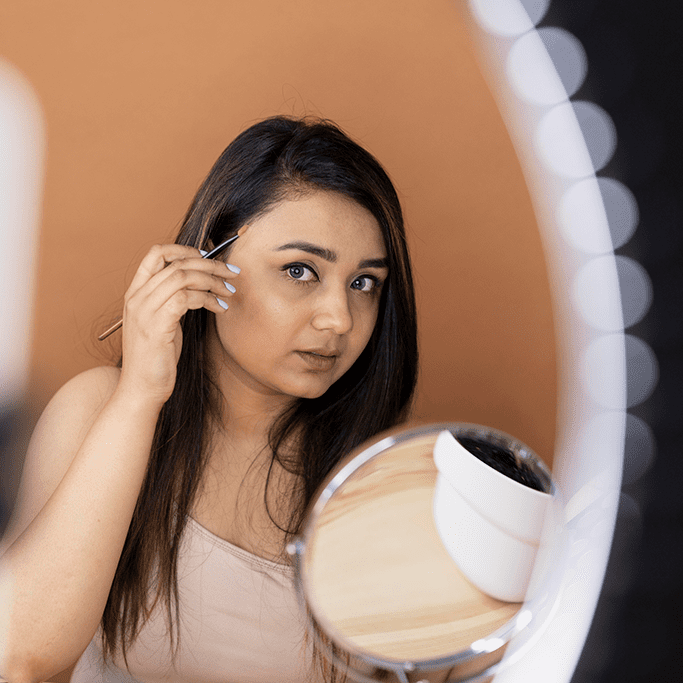
One of the main reasons Body Dysmorphic Disorder (BDD) often goes undiagnosed is that individuals may hesitate to reveal their symptoms due to shame, guilt, or fear that their concerns will be trivialised. Yet the condition is real, and the pain it causes deserves to be recognised. Psychiatrists generally consider 3 key parameters when diagnosing BDD: Being overly concerned about a minimal or even imaginary flaw in appearance. Becoming preoccupied with this perceived flaw. Experiencing significant distress or disruption in daily life as a result. Repetitive behaviours and OCD-like symptoms - such as constantly checking reflections or engaging in excessive grooming - can consume hours, leaving individuals drained and struggling to function. Questions Clinicians Can Ask You: When you visit a mental health professional, they might ask open-ended questions to help determine if you are living with this condition and to differentiate it from others. For example: Do you believe you have flaws in your appearance that others may not notice? Do these worries interfere with your work, school, or relationships? Do you engage in repetitive behaviours like reassurance-seeking or skin-picking? How much time each day do you spend thinking about your appearance? Have these thoughts impacted your well-being or caused you to avoid social situations? By asking these questions, professionals can begin to understand what body dysmorphia disorder looks like in someone’s life, how severe it is, and how common body dysmorphic disorder is compared to other conditions. Tools like the Body Dysmorphic Disorder Examination (BDDE), structured interviews, and questionnaires help clarify struggles and guide the most effective approach forward.
How is BDD Different from Other Mental Health Conditions?
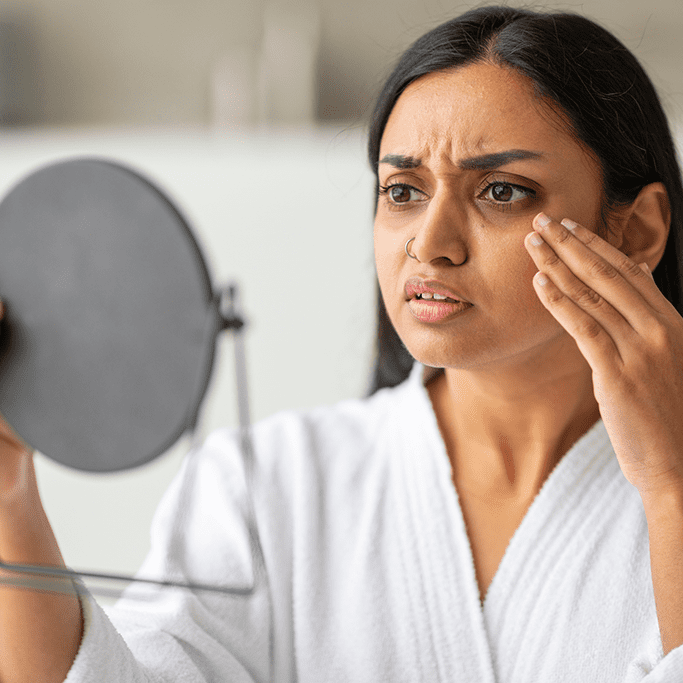
Living with Body Dysmorphic Disorder (BDD) can feel incredibly lonely, especially when people mistake it for something else. It is common to wonder: “Is body dysmorphia a mental illness like depression, anxiety, or eating disorders?” The truth is, while BDD shares similarities with other conditions, it is unique and understanding these differences is key to finding the right care. Both involve obsessive thoughts and repetitive behaviours. While OCD often focuses on safety, contamination, or order, BDD centres on perceived flaws in appearance. Spending hours looking in mirrors or grooming can become a cycle that’s hard to break. Both conditions involve body image, but in different ways. Eating disorders revolve around weight and shape, often driving behaviours like restriction or over-exercising. In BDD, the distress stems from imagined imperfections - skin, hair, or facial features - that feel unbearable, even if others don’t notice them. Both can deeply impact self-esteem. Depression is marked by sadness, hopelessness, and loss of interest in life, often lasting at least two weeks. With BDD, the distress is tied specifically to appearance-related concerns, creating cycles of self-doubt and anxiety. Both involve discomfort with the body, but for different reasons. BDD stems from imagined or exaggerated flaws, while Gender Dysphoria arises from a mismatch between gender identity and the physical body. Both can cause withdrawal due to fear of judgment. In social anxiety, the fear is about general rejection. In BDD, the concern is specific - focused on how appearance will be perceived. Living with BDD can feel exhausting. Whether wondering how common Body Dysmorphic Disorder is, how to overcome it, or what the best treatment options are, professional help is available. During an evaluation, a mental health expert, such as a psychiatrist, will assess the condition and provide a diagnosis, ensuring treatment is tailored to individual needs. Sometimes BDD may overlap with other mental health conditions, which is why personalised treatment is essential. Through Body Dysmorphia therapy and Body Dysmorphia treatment, it’s possible to learn how to support someone with BDD - or more importantly, how to support oneself. With compassionate care, evidence-based strategies, and the right coping tools, peace, confidence, and relief from the weight of perceived flaws can gradually be regained. Specialised Body Dysmorphia Therapy and Treatment are offered with compassionate care, ensuring individuals feel seen, understood, and supported throughout every step of the recovery journey. Sukoon Suggests: Professional evaluation and personalised treatment help provide the right support and restore confidence, peace, and control. 1. BDD vs OCD
2. BDD vs Eating Disorders
3. BDD vs Major Depression
4. BDD vs Gender Dysphoria
5. BDD vs Social Anxiety
Treatment Options for BDD in India
Like many mental health conditions, BDD requires compassion and a combination of approaches. With Body Dysmorphia Therapy, medication, and personalised care, relief is possible, and healing can begin. For those wondering, “What is the best treatment for body dysmorphia?” Evidence-based approaches, therapy, and compassionate care are available and effective. Everyone deserves understanding, guidance, and the opportunity to regain confidence and inner peace. It is often the first step in treating body dysmorphic disorder. CBT helps challenge distorted thoughts about appearance and build healthier coping skills. Over time, it allows individuals to view themselves with greater kindness and balance. Techniques such as deep breathing and relaxation further ease the anxiety and exhaustion experienced daily. Read more about Cognitive Behavioural Therapy (CBT) Recovery means reclaiming freedom. When wondering, “What is the best treatment for body dysmorphia?” options often include antidepressants or mood stabilisers. Medications prescribed by a psychiatrist, combined with therapy, can ease symptoms and support recovery. Because body dysmorphia is a mental illness that affects individuals differently, treatment plans are always tailored to specific needs. Note: Any medications mentioned are for informational purposes only. Mental health medications can only be prescribed by a licensed doctor and are not available for purchase at regular pharmacies. Always consult a qualified professional before starting any treatment. It’s common to ask, “Does BDD ever go away?” With the right care, symptoms can improve over time. Small steps - such as digital detoxes, building self-acceptance, and daily grounding practices - show how to deal with body dysmorphia in healthier ways. You deserve strength, support, and a life built on connection, balance, and well-being. At Sukoon, we walk beside you every step of the way.
1) Cognitive Behavioural Therapy (CBT)
Through the right BDD treatment, it is possible to learn how to overcome body dysmorphic disorder, rebuild confidence, and regain control of life.
For those supporting someone with BDD and thinking of how to help someone with BDD, listening without judgment, offering empathy, and encouraging professional support can make a meaningful difference.
2) Medication
3) Personalised Interventions
Family and Support System
How can it be identified if someone or their loved ones have body dysmorphia? Often, it’s when daily life feels controlled by appearance concerns. Sharing your struggles with loved ones builds understanding and safety. And while anyone can experience BDD, research shows that those who are most likely to have body dysmorphia often include young adults. A personalised approach ensures that treatment targets individual struggles, helping break free from the cycle of self-criticism, compulsive behaviours, and distorted self-image. With time, the right help, and compassion from loved ones, recovery is possible.
Barriers to Body Dysmorphic Disorder Treatment
For those living with undiagnosed Body Dysmorphic Disorder (BDD), stigma can make it harder to ask for help. Feelings of embarrassment or fear of being judged often silence struggles. This shame frequently prevents open conversations and delays the support that is truly deserved. BDD is sometimes mistaken for anxiety, depression, or eating disorders. When this happens, the right care is delayed, and distress can deepen over time. An accurate diagnosis is crucial - it opens the door to effective treatment and fosters a sense of understanding. It can be tempting to seek cosmetic surgery or quick fixes in hopes of easing the pain. However, these treatments rarely address the root of BDD. Instead, they often provide only temporary relief and may even worsen the cycle of dissatisfaction. What truly helps is care that heals from within. Finding the right help is not always easy. In many places, there are too few mental health professionals who understand BDD. Without specialised care, individuals often struggle far longer than necessary. With the right support, however, recovery remains possible. When BDD occurs alongside depression, anxiety, or OCD, individuals are not alone in that struggle. These overlapping disorders can complicate the journey, but with compassionate, integrated treatment, recovery is possible - often one gentle step at a time.
Stigma and Shame
Misdiagnosis or Delayed Diagnosis
Misguided Treatment Approaches
Lack of Access to Specialised Treatment
Overlapping Disorders
Seeking Professional Help for Body Dysmorphic Disorder
BDD treatments can include therapy for managing thoughts, medication for mood symptoms, support groups for connection, understanding from family and friends, and healthy daily routines like sleep, exercise, and coping strategies. Recovery isn’t about a single quick fix. It comes from combining these different approaches, giving each person steady steps toward healing. One of the most effective approaches in body dysmorphia therapy is Cognitive Behavioural Therapy (CBT). This method helps identify and challenge distorted beliefs about appearance. Over time, CBT supports the process of letting go of repetitive behaviours such as mirror-checking or skin-picking and replacing them with healthier coping skills. Therapy doesn’t just address symptoms - it empowers individuals to rebuild confidence and regain control of their lives. While therapy is often the foundation of body dysmorphia treatment, medication can play an important role too. Doctors may prescribe antidepressants, particularly SSRIs, to ease the anxiety, obsessive thinking, and depression that often accompany BDD. Medication, when paired with therapy, offers balance - helping individuals feel steady enough to focus on recovery. Note: Any medications mentioned are for informational purposes only. Mental health medications can only be prescribed by a licensed doctor and are not available for purchase at regular pharmacies. Always consult a qualified professional before starting any treatment. If the question is how to help someone with body dysmorphic disorder, the answer often lies in compassion. Family involvement in therapy and education fosters a supportive, understanding environment. Support groups also provide a space to connect with others who truly understand, ensuring no one has to walk this journey in isolation. Social media can intensify comparisons, often leaving individuals feeling “less than.” Limiting screen time, unfollowing triggering accounts, or taking intentional breaks can ease the pressure to conform to unrealistic beauty standards. Shifting focus back to personal growth helps nurture self-acceptance and inner peace. 1. Therapy: Reframing Thoughts with Care
2. Medication: A Helping Hand
3. Fostering Support and Connection
4. Managing Social Media Influence
Holistic Care for BDD
Recovery from Body Dysmorphic Disorder (BDD) isn’t only about reducing symptoms; it’s about nurturing the whole self. A comprehensive approach that blends self-care with professional support helps create a stronger foundation for healing and long-term stability. Key aspects of recovery include: Therapy – Cognitive-behavioural therapy (CBT) and other evidence-based methods can help challenge negative thought patterns and build healthier coping mechanisms. Medication – In some cases, antidepressants or other prescribed medications may be recommended to manage underlying anxiety, depression, or obsessive-compulsive symptoms that often accompany BDD. Integrated care – Professional support that addresses both BDD and co-occurring conditions, such as OCD, depression, or anxiety, ensures a more complete path to recovery. Self-care practices – Exercise, balanced nutrition, mindfulness, meditation, and deep breathing can help calm the mind, regulate emotions, and strengthen overall well-being. When therapy, medication, and self-care come together, recovery moves beyond symptom relief. It becomes about cultivating self-compassion, balance, and lasting confidence. With the right guidance and support, treatment creates space not only for managing BDD but also for rediscovering peace and self-assurance.. Your well-being matters to us. Let’s find the right support for you.
Aftercare and Ongoing Support for BDD
Recovering from Body Dysmorphic Disorder (BDD) is a journey that extends beyond initial treatment. Continued care, awareness, and proactive strategies help maintain progress, prevent setbacks, and build long-term resilience. Understanding the steps that follow treatment can empower individuals and their support networks to stay steady and engaged. Maintaining BDD recovery flows naturally with regular follow-up therapy and mindfulness practices. Engaging in hobbies, connecting with support groups, and establishing self-care routines nurture stability. Staying close to loved ones offers encouragement, supporting lasting progress after treatment. In moments of crisis, immediate support is crucial. Tele MANAS (14416) provides free, 24/7 assistance for individuals experiencing a BDD emergency. Ensuring safety by keeping a trusted person nearby, removing hazards, and seeking professional emergency care when needed can help manage high-risk situations calmly and effectively. Preventing BDD starts early. Educating youth about the influence of media, fostering self-esteem through activities such as sports or the arts, encouraging open family discussions, and seeking early counselling for obsessive behaviours all build resilience. These steps reduce the likelihood of perfectionism, trauma, or unhealthy body focus taking root. Aftercare Treatment
Crisis Management
Preventive Strategies
Caregivers Need Care Too
Supporting someone with BDD can be challenging and emotionally demanding. Caregivers often find themselves constantly attentive, offering reassurance, and helping manage daily challenges related to body dysmorphia treatment. Over time, this can lead to feelings of exhaustion, anxiety, or overwhelm. It’s important to remember that body dysmorphia therapy isn’t only for the person with BDD - it also supports caregivers. Prioritising self-care enables better support, maintains mental health, and helps prevent burnout. Here are some tips to help caregivers stay balanced while supporting a loved one with BDD: Set Boundaries: Ensure personal time to rest and recharge. Saying “no” when needed does not reduce care or commitment. Seek Support: Join caregiver support groups or consult a mental health professional to share experiences and gain perspective. Practice Self-Care: Prioritise sleep, nutrition, exercise, and mindfulness. Caregiver well-being matters just as much. Stay Informed: Learn what body dysmorphia is and explore effective coping strategies. Understanding the condition helps caregivers respond with empathy rather than frustration. Celebrate Small Wins: Recognise progress in both loved ones and caregivers, however small. Encouragement can make a meaningful difference. Seek Professional Support: Caregivers also require guidance to manage the emotional demands of helping someone with BDD. Consulting mental health professionals ensures both caregivers and their loved ones have the resources needed to navigate the journey safely and effectively. Remember, caring for someone with BDD doesn’t require neglecting personal well-being. Only when you care for yourself can you help care for others.
Hope Is Always Around
So, is body dysmorphia a mental illness? Yes - and like other mental health conditions, it deserves care, compassion, and professional support. For those wondering, “Does BDD ever go away?” Recovery is possible with the right help. It doesn’t need to remain a silent struggle. At Sukoon, we’re a network of specialised mental health hospitals, setting new standards in patient-centred care across India. Our team of multidisciplinary experts bring years of compassionate care in Body Dysmorphic Disorder treatment. With facilities across Delhi NCR, Bengaluru, and Hyderabad, we provide world-class inpatient and outpatient psychiatric care and innovative therapies. Our mission has always been simple: to transform how India experiences mental healthcare - making it compassionate, evidence-based, and future-ready. Take a step forward today. We’re here to listen and guide you with care that’s tailored to you. If you wish to learn more about mental health disorders, our YouTube channel offers expert insights, real experiences, and practical advice. Topics include what body dysmorphia is, the impact of social media, unrealistic beauty standards, and available treatment options, all discussed by our experts.
FAQs
Overcoming BDD is possible with the right help. Body dysmorphia therapy, medication (if needed), and lifestyle changes - such as reducing social media use and practising self-acceptance - can make a meaningful difference. With consistent care, relief is achievable, and life can be lived more freely. It’s important to celebrate small victories along the way, as they build confidence and hope. Professional guidance can also help develop coping strategies for triggers in daily life. Body Dysmorphic Disorder affects more people than commonly realised - around 1 in 50 individuals. Many cases go unnoticed because people feel ashamed to talk about it. Awareness is the first step toward finding support. BDD can affect anyone, regardless of age or gender, and early recognition improves outcomes. Encouraging open conversations helps reduce stigma and makes it easier to seek treatment. Cognitive Behavioural Therapy (CBT) is the most effective approach. Some individuals may also benefit from medication. Body dysmorphia treatment is always personalised to individual needs, ensuring that therapy aligns with life and personal goals. Regular progress monitoring and adjustments to therapy help maintain long-term benefits. Integrating supportive practices, like mindfulness or stress management, can enhance recovery. Compassion is key when supporting someone with Body Dysmorphic Disorder Symptoms. Listen without judgment, avoid dismissing their feelings, and gently encourage them to seek professional help. Even small gestures of understanding can make a huge difference. Be patient and acknowledge that progress may be gradual, avoiding pressure or criticism. Sharing resources, like support groups or therapy options, can offer practical guidance and reassurance. CBT is considered the gold standard. It helps challenge negative thoughts and reduce compulsive behaviours. Sometimes, medication is added to further support recovery. The most effective Body Dysmorphic Disorder treatment is the one tailored to individual needs. Body Dysmorphic Disorder is a recognised mental health condition. It is not about vanity - it reflects a genuine struggle that deserves care, understanding, and empathy from both professionals and loved ones. Early recognition and support can improve outcomes and reduce distress. Education about BDD also helps friends and family respond more effectively. With proper support, symptoms of Body Dysmorphic Disorder can improve significantly. Full elimination may not occur for everyone, but recovery enables living a healthier, more fulfilling life. Ongoing therapy and coping strategies help maintain improvements over time. Patience and persistence are key, as progress can be gradual. Body Dysmorphic Disorder symptoms include excessive worry about flaws others may not notice, mirror-checking, prolonged grooming, avoiding social events, or experiencing distress about appearance. If these behaviours are present, consulting a mental health professional is strongly recommended. Tracking patterns in daily routines can also reveal underlying concerns. Support from loved ones can make seeking help feel less daunting. Start with professional support. Alongside therapy, mindfulness, limiting comparisons, and surrounding oneself with caring people can help manage the causes of Body Dysmorphic Disorder day by day. Control and confidence can be gradually reclaimed, one step at a time. Noticing small improvements and engaging in hobbies or social activities can strengthen self-esteem and build resilience over time. Prevalence of bullying in BDD 1. How to overcome Body Dysmorphic Disorder?
2. How common is Body Dysmorphic Disorder?
3. How to treat Body Dysmorphic Disorder?
4. How to help someone with Body Dysmorphic Disorder?
5. What is the best treatment for Body Dysmorphia?
6. Is Body Dysmorphia a mental illness?
7. Does BDD ever go away?
8. How do you know if you have Body Dysmorphia?
9. How to deal with Body Dysmorphia?
Bibliography





+91 8448156500

+91 1244265238


admissions@sukoonhealth.com

Menu