Back
Adult ADHD Exists: How to Recognise It & Get Help in India
3 Min Read
Table of contents
- Let's talk Adult ADHD
- The Basics: Definition of ADHD
- What Are The Common Symptoms of ADHD in Adults
- Daily Life ADHD Signs To Look Out For
- Is ADHD Prevalent in Indian Adults?
- Impact on Daily Life and Productivity
- Types of ADHD in Adults
- What Causes ADHD in Adults?
- Am I at risk of developing ADHD?
- How Can I Manage Adult ADHD?
- What Are The Diagnosis & Treatment Options for Adult ADHD?
- Practical Time Management Tools You Can Use Today
- Caregivers Need Care Too
- Hope Is Always Around
- FAQs on Adult ADHD
- Bibliography
Table of contents
Let's talk Adult ADHD
If your mind is always racing while feeling out of reach, you may already know what living with Adult ADHD is like. It’s more common than people think, yet the signs are often dismissed as being "distracted" or "messy." But it’s not that simple. ADHD in adults is real, and understanding the science behind it is the first step toward understanding yourself better and getting the support you deserve. In this blog, we will explore everything you need to know about Adult ADHD. Let’s dive in.
The Basics: Definition of ADHD
Attention-deficit/hyperactivity disorder (ADHD in Adults) is a developmental brain disorder that often begins in childhood and, for many, continues into adulthood. It can affect the way you focus, organise your day, and even make decisions. For some, it spills into work and relationships, creating daily challenges. Yet knowing what it is – and naming it – can bring relief and open the door to hope.
What Are The Common Symptoms of ADHD in Adults
Signs of ADHD in adults aren’t always obvious. It isn’t only about being "hyper" or distracted- it can weave into daily life in quieter, but deeply challenging ways. The symptoms often fall into three broad areas: inattention, impulsivity, and hyperactivity. Inattention or Distractibility Many adults with ADHD find it hard to hold their focus. You might start a task with energy but lose track midway, or forget small details that matter in the bigger picture. Projects may pile up half-finished, not because of a lack of effort, but because attention slips easily from one thing to the next. Impulsivity and Disorganisation Impulsive decisions – whether in conversations, spending, or daily choices – are another common sign. Words may come out before there’s time to filter them, or plans might change in a heartbeat. Alongside this, disorganisation often shows up: cluttered workspaces, difficulty prioritising, or missed deadlines. These aren’t character flaws, but part of how ADHD affects executive functioning. Hyperactivity and Time Struggles For many adults, hyperactivity doesn’t mean constant movement but an inner restlessness. Relaxing may feel almost impossible, as if the mind is always buzzing. Time management, too, can be a challenge. Tasks often take longer than expected, lateness creeps in, or procrastination becomes a familiar cycle. Yes, living with these symptoms can take an emotional toll. Mood swings, frustration, or dips in self-esteem are common when daily efforts don’t seem to match outcomes. It’s important to remember that these experiences are part of ADHD in Adults, not personal failings – and with the right support, adhd therapy, and ADHD treatment for adults, balance and confidence are possible.
Can These Symptoms Impact One Emotionally?
Daily Life ADHD Signs To Look Out For
Difficulty Focusing at Work: Staying present during meetings or finishing tasks can feel exhausting. Distractions aren’t laziness – they’re part of how ADHD works. Forgetfulness and Disorganisation: Missed appointments, misplaced items, or cluttered spaces can pile up, leaving you stressed and overwhelmed. Time Management Struggles: Deadlines slip by, or one task takes over completely. This isn’t carelessness – it’s the way ADHD in Adults shapes attention and energy. Emotional Ups and Downs: Frustrations feel bigger, recovery takes longer, and relationships can suffer. It’s not about willpower, but about navigating a real condition with care. Sukoon Suggests: The good news? With the right support, you can learn to manage adult ADHD, and life can feel steadier again. At Sukoon, we help you with expert diagnosis and treatment that manage symptoms and build a life you wish to lead. Take the first step towards recovery. Now that we’ve understood the telltale signs of adult ADHD, let's understand its global and India-level impact.
Is ADHD Prevalent in Indian Adults?
Many believe ADHD in Adults disappears after childhood – that’s not true. It can continue shaping how you work, connect, and live day to day. What may look like a “distraction” to others often feels like a constant uphill battle when you’re the one experiencing it. Globally, around 5% of children are affected, and about 3.1% of adults live with adult ADHD symptoms. In India, research suggests that between 1.6% and 17.9% of children may have ADHD, and about 2.3% of adults are living with it too. If you’ve faced focus, restlessness, or impulsivity as an adult, you’re not alone. ADHD can continue beyond childhood, and recognising it is the first step toward support.
Impact on Daily Life and Productivity
To understand the real-time impact of this issue better, let us take the help of an example: Zara, a 20-year-old emerging fashion designer, lives in a world of colour and fabric swatches. Her mind sparks with ideas, yet her desk tells another story – half-finished sketches, crumpled notes, empty coffee cups. Every ping of her phone pulls her away, every thought feels louder than the last. She’s been called “scatterbrained” since childhood, and no matter how hard she tries, staying focused feels impossible. Then she learns about ADHD in Adults. Suddenly, her restlessness, impulsive choices, and struggles with focus have a name. More importantly, they have solutions. With the right ADHD help for adults, Zara begins to channel her creativity, strengthen her creative process, and build structure into her days. Slowly, she regains confidence and begins to shape a stronger design portfolio.
Types of ADHD in Adults
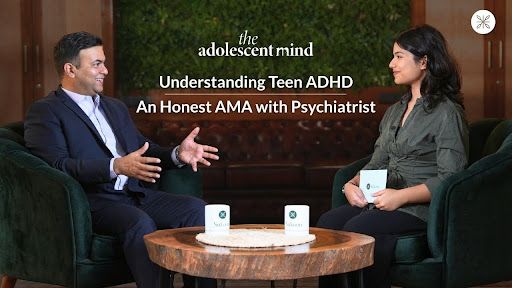
Living with ADHD in Adults doesn’t look the same for everyone. You may notice patterns in yourself that fit one of 3 main types of ADHD adults, each defined by its strongest symptoms. Recognising these differences can help you understand how ADHD shapes your daily experiences and how you navigate them. Hyperactive and Impulsive Type If you're diagnosed with this type, restlessness may feel constant. Sitting still is tough, and you might often find yourself interrupting or making snap decisions. Fast conversations, a drive for high activity, or taking risks without pause can be common. This mental and physical energy can make it difficult to focus on one task at a time – sometimes intervention from an adult ADHD psychiatrist becomes necessary. Inattentive Type Sometimes called ADD, this form is less about hyperactivity and more about attention and organisation. You might struggle to finish tasks, stay focused, or keep track of appointments. Forgetfulness isn’t carelessness – it can feel like a constant drain on your energy. Work may feel inconsistent, details slip through, and procrastination creeps in. Still, with support, adhd therapy, and ADHD treatment for adults, these challenges can be managed. Combined Type This is one of the most common types - blending both hyperactive-impulsive and inattentive traits. You may feel caught between being restless and distracted, shifting from one activity to another without completing them. Prioritising can be difficult, and the tug-of-war between impulsivity and inattention can make daily life feel chaotic. Yet, recognising this mix is the first step towards finding balance with the best adult ADHD treatment. By knowing which type you most identify with, you can work towards managing adult ADHD better. Understanding your ADHD isn’t about labelling – it’s about making space for you to thrive. Break The Silence Does ADHD in teenagers look different than adults? Watch this AMA with Dr. Vipul and Aarna to learn more.
What Causes ADHD in Adults?
When you hear about ADHD in adults, it’s important to remember that it rarely appears out of nowhere. Adult ADHD can have several causes. It often begins in childhood but may only become noticeable later in life. For you, this could stem from a mix of genetic, environmental, and developmental factors. Understanding these causes of ADHD in adults is not about blame - it’s about giving you insight and carving a pathway to support. Let’s understand this better: Genetics Did you know ADHD in Adults is highly hereditary? Studies and evidence indicate it often runs in families, with both rare genetic variants and multiple common variants likely contributing to how ADHD manifests in you. While genetics alone don’t guarantee ADHD, understanding this can guide you toward effective ADHD treatment for adults. There are rare and single-cell varieties that have been linked to ADHD as well. Environmental Factors Your experience with ADHD in Adults can be shaped by more than just daily habits; it’s often influenced by early environmental factors. Things that happened before or around your birth, like exposure to toxins such as lead or tobacco smoke, alcohol use during pregnancy, or complications during delivery, may have quietly contributed to the challenges you face today. Even stressful or traumatic experiences in childhood can add to symptoms of ADHD in adults, showing up in ways you might not immediately connect to the past. For instance, a child who grew up in a challenging or unpredictable home may have developed constant alertness just to cope. As an adult, this can show up as restlessness, trouble focusing, or emotional sensitivity. These symptoms are often linked to ADHD rooted in past experiences. Developmental Differences Your experience with ADHD in Adults may be connected to how your brain has developed, especially in areas that manage attention, focus, impulse control, and decision-making. These differences are not a personal failing - they simply mean some daily tasks may feel harder for you. Chemical changes in the brain, like imbalances in neurotransmitters such as dopamine, can affect your ability to regulate attention and emotions. By recognising these factors, medical professionals can guide you with personalised ADHD treatment for adults plans designed specifically for your needs, helping you regain confidence. Sukoon Suggests: Every experience with ADHD is unique, but with the right ADHD treatment for adults, paired with therapy, you can build your own coping strategies. Get expert help for adult ADHD at Sukoon.
Am I at risk of developing ADHD?
Some people have a higher chance of developing ADHD as adults. Several factors can increase your likelihood of experiencing ADHD in Adults: Alcohol use, smoking, or drug exposure during pregnancy Premature birth and low birth weight Brain injuries Exposure to toxic substances in the environment, either in the womb or during childhood PAUSE. TAKE A MOMENT OF SUKOON FOR YOURSELF We understand soaking in heavy information all at once can feel exhausting. Before you read further, try taking a short break and resume when you feel better.
How Can I Manage Adult ADHD?
ADHD in adults often becomes clearer as responsibilities like work, family, or bills grow. What once felt manageable in school or college may now show up as restlessness, focus struggles, or overwhelm. Getting a diagnosis can be a turning point, bringing clarity and connection. With the right support such as therapy, medication, mindfulness, or practical tools like routines, reminders, and digital organisers, managing adult ADHD becomes not only possible but more steady day to day. Medication for ADHD is a helpful tool, but incorporating lifestyle changes is essential to managing adult ADHD effectively for the best results. They include: Pairing treatment with lifestyle changes makes ADHD treatment for adults more effective. Nutritious food supports brain health and steadier energy. Prioritising quality sleep helps sharpen focus and improve mood. Regular exercise boosts attention, reduces stress, and increases motivation. Relaxation techniques - like mindfulness or deep breathing—calm restlessness and improve self-control. It’s important to remember that these habits aren’t the solution but merely complement ADHD treatment for adults. Together with professional help, they nurture focus, resilience, and clarity in daily life. Practising patience and self-compassion is key. Setbacks are normal and happen to everyone. Celebrating small victories and focusing on progress can boost self-esteem, motivation, and your ability to manage adult ADHD.
What Are The Diagnosis & Treatment Options for Adult ADHD?
Understanding ADHD in adults begins with an accurate diagnosis. If you suspect ADHD symptoms, the first step is to reach out to your primary healthcare provider or an adult ADHD psychiatrist. They can guide you through diagnosing adult ADHD and help determine whether your experiences meet the criteria for ADHD in adults. There isn’t a single test for ADHD. Professionals gather detailed information about: ADHD symptoms When they first appeared How long did they persist Their severity Diagnosis often follows criteria set by DSM or ICD, along with psychological assessments by trained mental health professionals. A correct diagnosis also rules out conditions with similar symptoms, such as anxiety, depression, or bipolar disorder, ensuring that the support you receive is accurate and effective. When it comes to ADHD in adults, therapy and adaptation strategies can provide meaningful support and practical tools for daily life. A combination of approaches helps you manage adult ADHD symptoms, build focus, and regain a sense of control. ADHD therapy may include: Interventions focused on behaviour management, developing organisational skills, and social skills training. Memory training and attention training activities. Supplementary interventions and dietary interventions, where appropriate. Mind-body interventions, such as meditation, yoga, Tai chi, mindfulness, and physical activities, support emotional balance and concentration. A compassionate adult ADHD psychiatrist or clinical psychologist can guide you with empathy, while also helping your partner and family understand the condition. With their support, and when needed, ADHD medication alongside therapy, managing adult ADHD symptoms becomes easier. Support groups and online communities offer reassurance and practical tips, reminding you that you’re not alone. With the right mix of ADHD therapy, coping strategies, and family support, you can strengthen routines, build resilience, and find more calm and clarity in daily life. Sukoon Suggests: If you think you’ve noticed the symptoms of ADHD, the right ADHD treatment for adults can help you regain focus, balance, and confidence in daily life. Speak to a specialist today.
Psychotherapy and Adaptation Strategies
Practical Time Management Tools You Can Use Today
From organising your home to meeting work deadlines, the right strategies can make life more manageable. Here are ten practical tips you can start using today: Use a day planner to prioritise tasks Label items by category Schedule time to organise tasks Follow a consistent routine Cluster similar tasks together Use checklists to track progress Minimise distractions when focusing Learn to say no to new responsibilities when needed Reach out to an adult ADHD psychiatrist if you feel overwhelmed Respect your limits and practise self-kindness throughout the day
Caregivers Need Care Too
Caring for an adult with ADHD can sometimes feel exhausting, like your words aren’t being heard. But empathy is a powerful place to start. Adults with ADHD aren’t trying to make life difficult. With support, they can get better. But as your loved one seeks diagnosis and treatment, it’s important you too find the care and support you need along the way. Support memory and focus — As someone caring for a dear one with ADHD, you can create simple tools, routines, and reminders that can help both of you, especially when working on how to improve working memory in adults with ADHD. Find balance — wondering “Can I live a normal life if my partner/ sibling is dealing with ADHD?” Many caregivers find balance, especially with family support, therapy, and structured care. Know your options — from lifestyle strategies to medication, professionals can guide you on what is the best treatment for ADHD in adults. Access local support - compassionate ADHD treatment in India is available, and family involvement often strengthens results. At Sukoon, we believe supporting caregivers is just as essential as treating ADHD in adults. When you feel nurtured and understood, you can continue giving steady, compassionate care—while also protecting your own emotional balance. Sukoon Suggests: Find a Support Circle If you’re caring for an individual with ADHD, consider joining an ADHD Support Circle. These safe and understanding spaces allow you to share experiences, learn coping strategies, and find emotional support from others who are on the same journey. You can find them through local mental health clinics or online caregiver groups to connect, learn, and feel supported.
Hope Is Always Around
The best treatment is never one-size-fits-all. It may include therapy, medication, lifestyle changes, or a mix of approaches tailored to your needs. At Sukoon, we combine compassion with evidence-based care to help you find balance, build confidence, and thrive. Remember, it’s never too late to seek support and create a more fulfilling life. Taking the first step toward care can open the door to clarity, resilience, and long-term well-being. We Understand You Your experiences matter. Get support from experts who truly listen. If you wish to learn more about mental health disorders, our YouTube channel provides in-depth discussions on their importance and awareness by esteemed medical professionals and doctors.
FAQs on Adult ADHD
Managing adult ADHD often means combining strategies that work for you. ADHD medication, ADHD therapy, lifestyle changes, organisational tools, and supportive relationships can all help. Connecting with an adult ADHD psychiatrist or seeking ADHD help for adults ensures your approach is tailored, helping you improve focus, productivity, and overall well-being. Adult ADHD symptoms can sometimes go unrecognised until later in life. Signs of ADHD in adults include difficulty focusing, restlessness, impulsiveness, forgetfulness, and disorganisation. If these adult ADHD symptoms interfere with your work, relationships, or daily life, a professional evaluation is the best way to get clarity and explore the most effective adult ADHD treatment. There’s no single cure for ADHD, but ADHD treatment for adults can make a real difference. ADHD medication, ADHD therapy, lifestyle adjustments, and organisational strategies can help you manage symptoms and reduce their impact on your daily life. ADHD in adults typically begins in childhood, even if it wasn’t diagnosed back then. If you notice adult ADHD symptoms now, it often reflects patterns that have been present for years. If ADHD goes untreated, adult ADHD symptoms can intensify, affecting your work, relationships, time management, and mental health. Recognising these signs and seeking support from an adult ADHD psychiatrist or professional ADHD help for adults can help you regain control and manage daily life more effectively.How can you deal with adult ADHD?
How do you know if you have ADHD as an adult?
Is ADHD curable?
Can adults develop ADHD later in life?
How does untreated ADHD affect daily life in adults?
Bibliography





+91 8448156500

+91 1244265238


admissions@sukoonhealth.com

Menu